
Homoranthus lunatus
Homoranthus lunatus
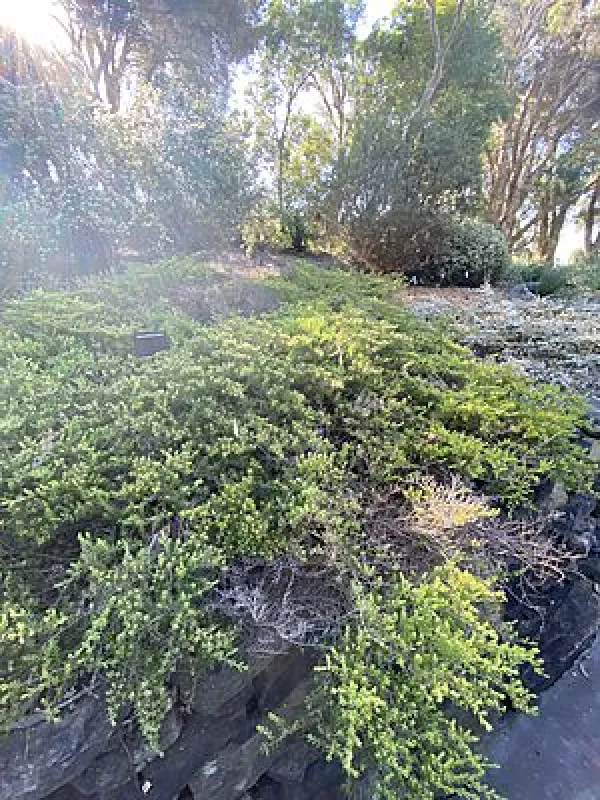
Description
Growing requirements
Homoranthus lunatus is a distinctive shrub belonging to the Myrtaceae family, native to specific geological formations in Australia where it thrives in harsh conditions.
The plant exhibits a slow growth habit, producing delicate, crescent-shaped leaves that are typical for the genus and contribute to its unique ornamental value.
Successful cultivation requires environmental conditions that closely mimic its original sandy heathland or sandstone outcrop habitat to ensure longevity.
Excellent soil drainage is the single most important factor, as the roots are highly susceptible to rot if they remain in saturated or waterlogged media.
It prefers full sun exposure to maintain its compact shape, as low light levels will result in leggy growth and increased vulnerability to structural damage.
Main diseases and pests
The primary threat to Homoranthus lunatus in horticultural settings is the prevalence of soil-borne fungi, particularly Phytophthora species.
These fungal pathogens thrive when the plant is kept in containers with poor drainage or in gardens with clay-rich, heavy soils that hold moisture for too long.
Pest issues include occasional infestations of scale insects, which can colonize the woody stems and sap the plant's vitality over time.
Maintaining air circulation around the canopy is essential for preventing leaf-spotting diseases that can occasionally occur in humid or foggy conditions.
Chemical control should be approached with caution, as the plant is sensitive to various synthetic pesticides often used in industrial agriculture.