
Homoranthus papillatus
Homoranthus papillatus
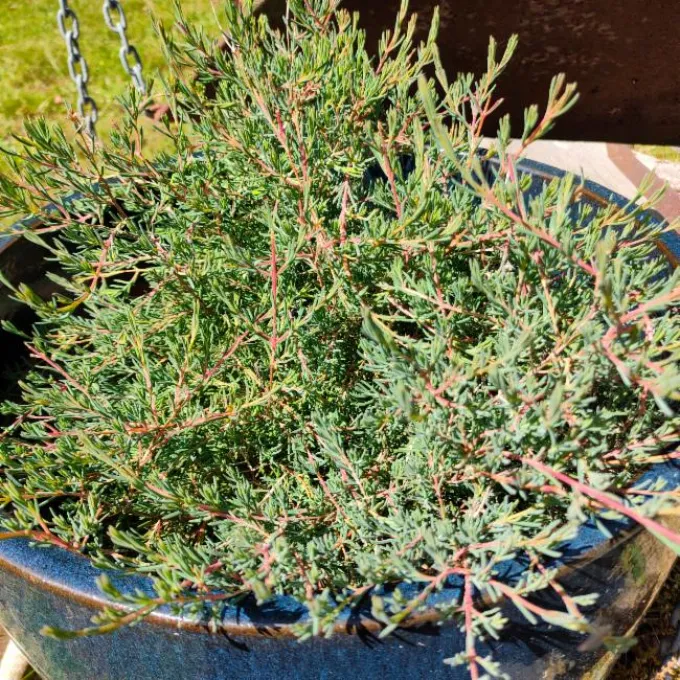
Description
Growing requirements
Homoranthus papillatus is a distinctive shrub species within the Myrtaceae family, native to Queensland, Australia. This plant is well-regarded by botanists and collectors for its unique morphological features and its status as a specialized species within its natural range.
The plant thrives in well-drained, sandy, or rocky soil profiles. Its evolutionary history in arid Australian landscapes has equipped it with strong drought-tolerance mechanisms, making it suitable for regions with similar climatic conditions.
Cultivation requires full sun exposure to maintain the plant's health and density. Shaded environments or heavy, moisture-retentive soils are highly discouraged, as they drastically increase the likelihood of root pathogens.
Agronomic management focuses on mimicking natural drainage conditions. Growers should avoid excessive irrigation, particularly during the dormant season, to ensure the root system remains aerated and healthy throughout the year.
In terms of landscaping and horticultural use, Homoranthus papillatus is valued for its textural aesthetic. It is primarily used in xeriscaping or as a focal element in native garden themes where its specific environmental needs can be met.
Main diseases and pests
The most significant threat to the survival of this plant is Phytophthora cinnamomi, a soil-borne pathogen that causes root rot. Maintaining impeccable drainage is the primary defense strategy for any grower managing this species.
Insect pests are generally minimal if the plant is grown in its preferred climate. However, occasional outbreaks of mealybugs or aphids can occur in closed greenhouse conditions, requiring prompt mechanical removal or horticultural oil treatments.