
Homoranthus melanostictus
Homoranthus melanostictus
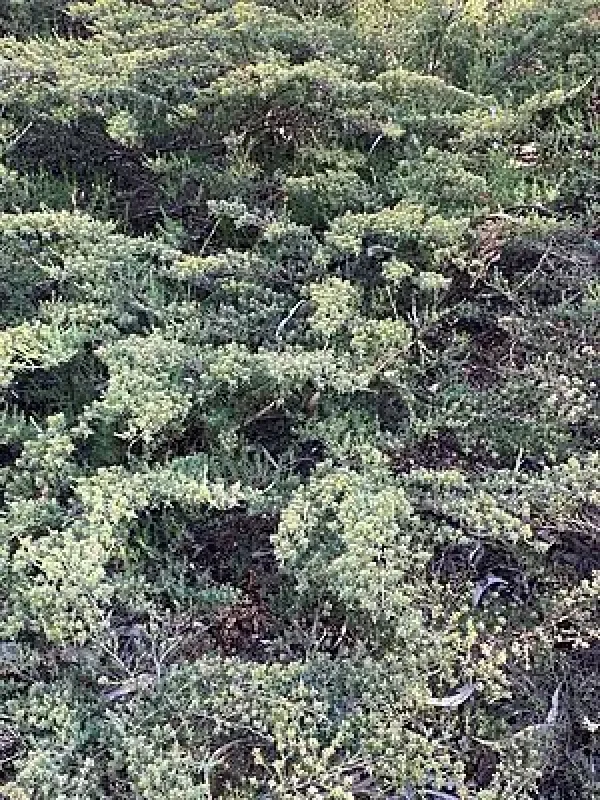
Description
Growing requirements
Homoranthus melanostictus is a specialized shrub belonging to the Myrtaceae family, native to the rugged landscapes of Queensland, Australia. It is a highly adapted species that thrives in challenging environmental conditions.
The plant features distinct botanical characteristics, including small leaves embedded with oil glands. These glands produce essential oils that are a hallmark of the Myrtaceae family, providing a unique aroma and protective barrier for the plant.
Cultivation requires strict adherence to soil composition rules. The species demands well-drained, sandy, or rocky soils with a low nutritional profile. It is essential to avoid soils that retain water, as the roots are highly susceptible to decay.
Climate requirements focus on high solar radiation and low relative humidity. The plant is adapted to heat and does not perform well in cool, damp climates where fungal pressure is naturally higher.
Agrotechnical practices involve minimal intervention. Fertilizer application should be avoided or kept to an absolute minimum, as the plant is evolved to extract nutrients from poor, rocky soils without rapid growth cycles.
Main diseases and pests
Root rot caused by Phytophthora species is the most significant threat to the survival of Homoranthus melanostictus. Proper drainage and preventing waterlogging are the primary defense mechanisms against this pathogen.
Insect pests, such as scale insects and spider mites, are common nuisances. They tend to proliferate during warm, dry weather or under glasshouse conditions, requiring immediate and careful pest management.
Fungal infections of the foliage can occur if there is insufficient airflow around the canopy. Ensuring the shrub is not crowded by other plants is essential to maintain healthy air circulation.
Any damage to the root system during maintenance is highly risky. Because the plant is specialized, it often fails to recover from significant root disturbance, leading to plant death within a short period.
Integrated pest management protocols are recommended to keep the plants healthy, utilizing soft soaps or horticultural oils for control, as the species can be sensitive to aggressive synthetic chemicals.