
Nepal ivy
Hedera nepalensis K. Koch
Description
Growing requirements
Nepal ivy (Hedera nepalensis) is an evergreen climber belonging to the Araliaceae family. Native to the Himalayan region, this plant typically thrives in high-altitude forests and mountainous terrain across Asia.
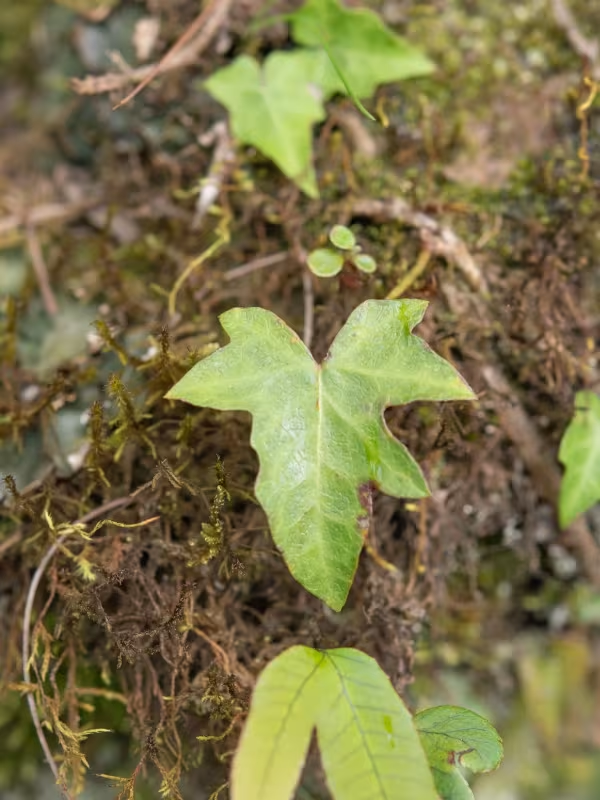
Botanically, it is distinguished by its leathery, dark green leaves and moderate growth rate. It primarily functions as an ornamental plant in landscape architecture, often used for covering stone walls or as ground cover.
The crop requires fertile, well-draining soil with a slightly acidic to neutral pH level. Proper drainage is essential, as the roots are highly susceptible to rot if subjected to waterlogged conditions.
Climate requirements include high ambient humidity and protection from harsh, direct sunlight. While it prefers cool, temperate conditions, it does not tolerate severe frost and usually requires shelter in regions with cold winters.
Agrotechnical management involves consistent watering during the growing season, moderate fertilization, and regular pruning to maintain the desired shape and promote healthy lateral branching of the vines.
Main diseases and pests
Common pests affecting Hedera nepalensis include spider mites and scale insects, which proliferate particularly in dry, indoor, or greenhouse conditions. Infestations are typically managed with neem oil or specific acaricides.
Fungal issues such as leaf spot and root rot are common in poorly ventilated or excessively damp environments. Maintaining optimal airflow and careful irrigation are the best strategies for disease prevention.