
Algerian ivy
Hedera algeriensis Hibberd
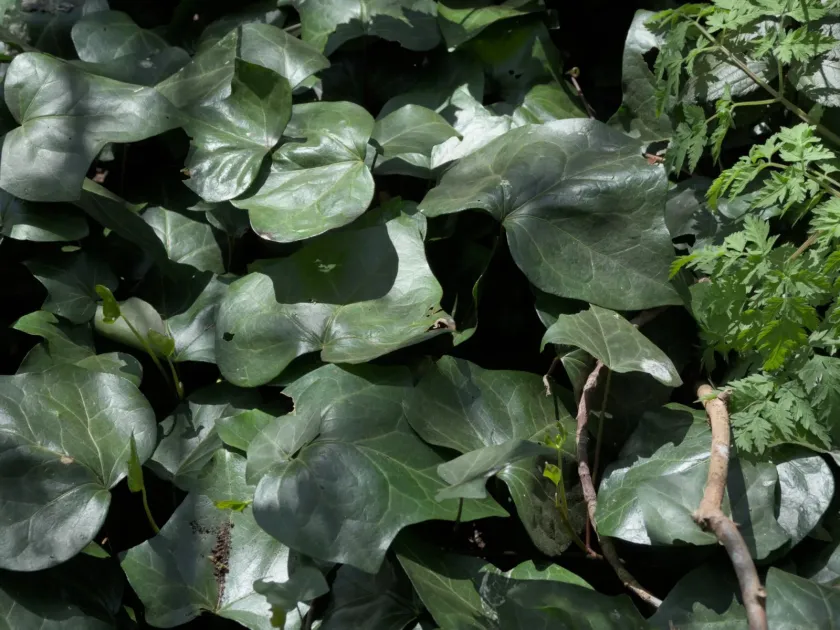
Description
Growing requirements
Algerian ivy (Hedera algeriensis) is an evergreen woody vine belonging to the Araliaceae family. It is widely recognized for its rapid growth rate and large, glossy leaves, making it a popular choice for landscape design and vertical greening.
The species originates from the coastal regions of North Africa. It thrives in mild, humid climates and is naturally adapted to sheltered environments, making it ideal for shaded or partially shaded garden areas where other plants might struggle.
The soil requirements for this crop include well-draining, nutrient-rich earth with a slightly acidic to neutral pH. Proper soil structure is essential to prevent waterlogging, which the plant does not tolerate well, as it can lead to root system decay.
In terms of climate, Algerian ivy is somewhat tender compared to other ivy species. It requires protection from harsh frost and extreme winter temperatures. In cooler regions, it is often grown in containers or as a groundcover in protected zones.
Agricultural management involves routine watering during the growing season, especially in dry periods, and the application of balanced fertilizers in the spring to promote dense foliage development and overall plant vigor.
Main diseases and pests
The most common pests affecting Hedera algeriensis are spider mites, scale insects, and mealybugs. These pests thrive in dry environments and can cause significant damage to the leaves by sucking out plant fluids and weakening the vine.
Fungal diseases, such as leaf spot, are prevalent in areas with high humidity and poor air circulation. These pathogens manifest as discolored spots on the leaves, which can spread rapidly if the environmental conditions are not managed.
Effective management strategies include ensuring proper spacing between plants to facilitate airflow and avoiding overhead irrigation, which keeps the foliage wet for extended periods and encourages fungal growth.
For chemical control, use appropriate miticides for spider mites and systemic insecticides for scale and mealybugs. Fungicides are recommended as a preventive measure during periods of sustained damp weather.
Maintaining high plant hygiene through regular pruning of damaged or infected shoots is crucial to prevent the spread of diseases and keep the Algerian ivy healthy throughout its lifespan.