
Azorean ivy
Hedera azorica Carrière
Description
Growing requirements
Azorean ivy, or Hedera azorica, is a vigorous evergreen woody vine belonging to the Araliaceae family. It is endemic to the Azores archipelago, which dictates its specific needs for high humidity and mild temperatures typical of oceanic climates.
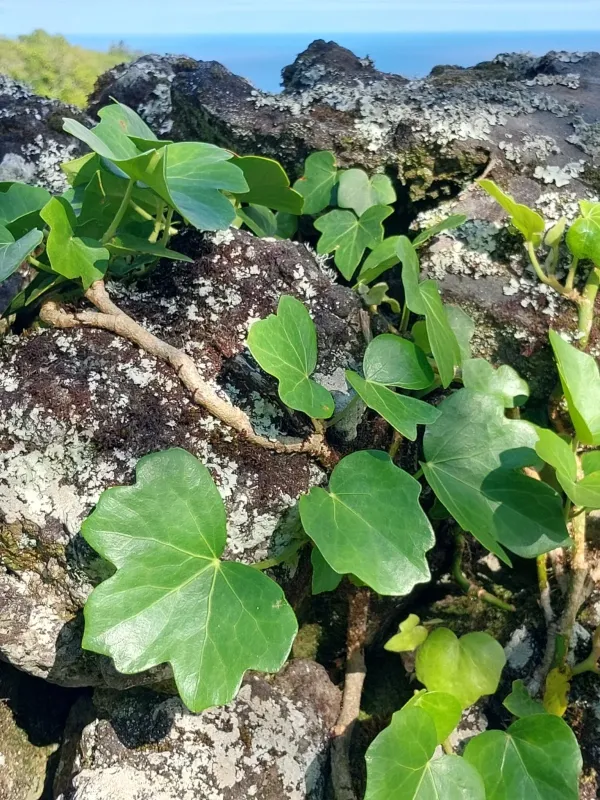
Botanically, it is characterized by robust stems and large, leathery, dark green leaves. Its ability to climb vertical surfaces using adventitious rootlets makes it a highly sought-after plant for landscape architecture and ornamental gardening.
The plant thrives in well-drained, nutrient-rich soils that maintain moisture without becoming waterlogged. It prefers partially shaded positions, as direct, intense sunlight can cause leaf scorch and hinder the growth of young foliage.
Regarding agrotechnology, it is essential to provide regular pruning to manage its rapid spread and encourage denser foliage. In regions with freezing winters, Azorean ivy is best suited for greenhouse cultivation or as a seasonal container plant.
The primary horticultural application of this crop involves vertical greening of walls, as well as acting as an effective ground cover in garden designs where lush, year-round greenery is required.
Main diseases and pests
The most common diseases affecting this ivy include leaf spot and various root rots, often triggered by poor soil aeration and excessive stagnant water near the base.
Pest management is focused on controlling populations of spider mites and scale insects, which are particularly prevalent in greenhouse environments or in dry, hot weather conditions.