
Hemionitis ternifolia
Hemionitis ternifolia
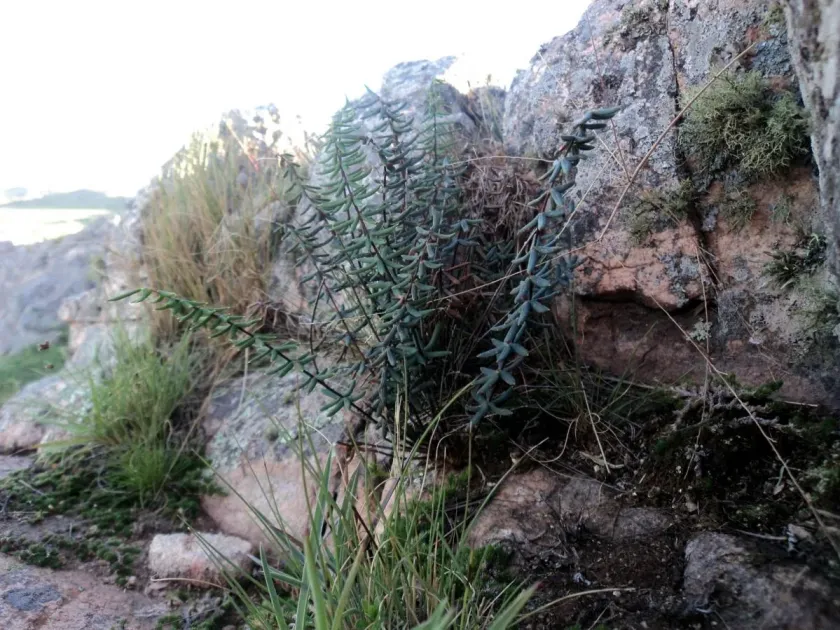
Description
Growing requirements
Hemionitis ternifolia is a perennial fern species belonging to the Pteridaceae family. Native to the humid tropical forests of Central and South America, this plant is well-known for its distinctive foliage that sets it apart from more common decorative ferns.
The culture thrives in environments with high ambient humidity, making it an excellent candidate for terrariums or specialized greenhouse collections. It prefers diffuse, indirect light and must be protected from direct sun exposure which can scorch its delicate fronds.
For soil conditions, the plant requires a porous, nutrient-rich, and well-aerated medium. A mix containing peat moss, perlite, and pine bark is recommended to ensure adequate drainage and slightly acidic pH levels, reflecting its natural forest floor habitat.
Temperature management is a key factor in successful cultivation. The optimal range is between 18 and 25 degrees Celsius. Being a tropical species, it does not tolerate cold drafts or temperatures dropping significantly below 15 degrees, which can lead to metabolic slowdown.
In terms of usage, Hemionitis ternifolia is primarily valued in ornamental horticulture. Its unique trifoliate leaf shape makes it a sought-after specimen for collectors of rare ferns and botanical garden displays focusing on tropical diversity.
Main diseases and pests
The most significant threat to Hemionitis ternifolia is root rot, typically caused by waterlogged soil and poor container drainage. Once the roots are compromised, the plant struggles to recover, making prevention through strict watering discipline essential.
Pest management is focused on common greenhouse insects, with spider mites being the most problematic. These mites thrive in low-humidity environments, so maintaining consistent moisture levels around the foliage is a primary defense mechanism.
Scale insects can also infest the stems and undersides of the leaves. Manual removal using cotton swabs dipped in diluted alcohol is often more effective and safer for the plant than applying heavy chemical pesticides, which ferns often react to poorly.
Fungal infections can manifest as spots on the fronds if the leaves remain wet for extended periods without sufficient air circulation. Providing gentle airflow is a necessary strategy to keep the foliage dry and healthy.
Routine inspection of the plant's health is advised. Monitoring the color and texture of the fronds allows for early intervention, ensuring that any localized infection is managed before it spreads to the entire crown of the plant.