
Hemionitis chusana
Hemionitis chusana
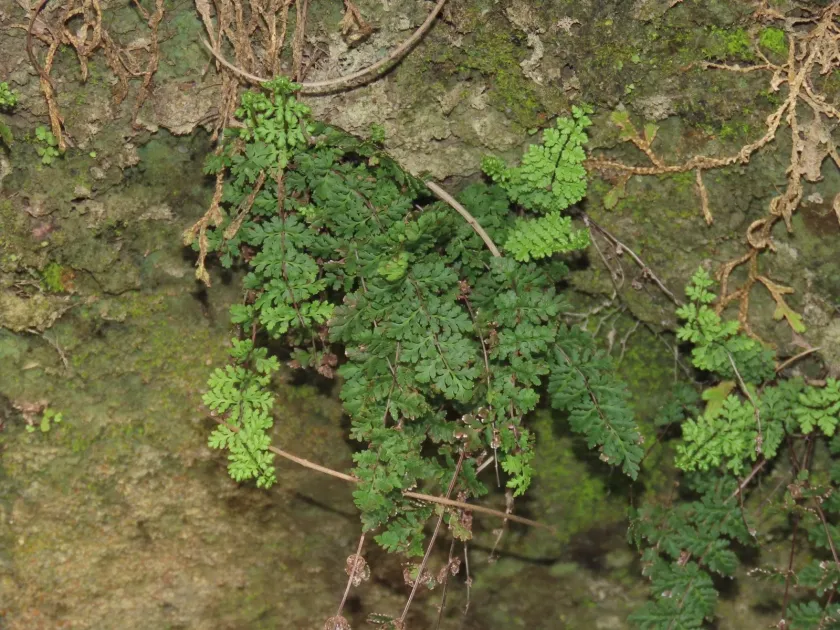
Description
Growing requirements
Hemionitis chusana is an exquisite fern species belonging to the Pteridaceae family. Native to the humid forests of East Asia, this plant has adapted to shaded environments where moisture levels remain consistently high throughout the year.
This fern requires high humidity, ideally between 60% and 80%, making it an excellent candidate for terrariums, vivariums, or specialized greenhouse conditions. In standard household environments, the foliage may dry out quickly if humidity is not managed properly.
Regarding temperature, Hemionitis chusana thrives in moderate conditions, typically between 18°C and 24°C. It is sensitive to sudden temperature shifts and cold drafts, which can cause the delicate fronds to wither or curl.
The substrate must be light, airy, and rich in organic matter. A mix of peat moss, perlite, and charcoal works well to maintain moisture while preventing the soil from becoming compacted and suffocating the root system.
Lighting should be indirect and soft. Direct sunlight is highly detrimental to this species, as the fronds are prone to scorching. Bright, filtered light from a north-facing window is generally considered ideal for its growth.
Main diseases and pests
Spider mites are the most common pests affecting this fern, particularly in dry conditions. They thrive in environments with low airflow and low humidity, quickly causing damage to the delicate leaf tissue.
Scale insects can also infest Hemionitis chusana, attaching themselves to the undersides of the fronds and the stem base. These pests extract sap, which can lead to stunted growth and yellowing of the foliage over time.
Root rot is a significant threat to the plant, usually resulting from improper drainage or overwatering. Once the root system begins to decay, the plant loses its ability to uptake water and nutrients effectively.
Fungal pathogens such as gray mold (Botrytis) may appear if the fronds remain wet for extended periods without adequate air circulation. This usually occurs in crowded conditions or in stagnant, overly humid environments.
Pest management should focus on prevention through regular misting and maintaining a stable environment. If an infestation occurs, manual removal or mild insecticidal soaps are safer options than harsh chemicals, as ferns are highly sensitive.