
Hemionitis distans
Hemionitis distans
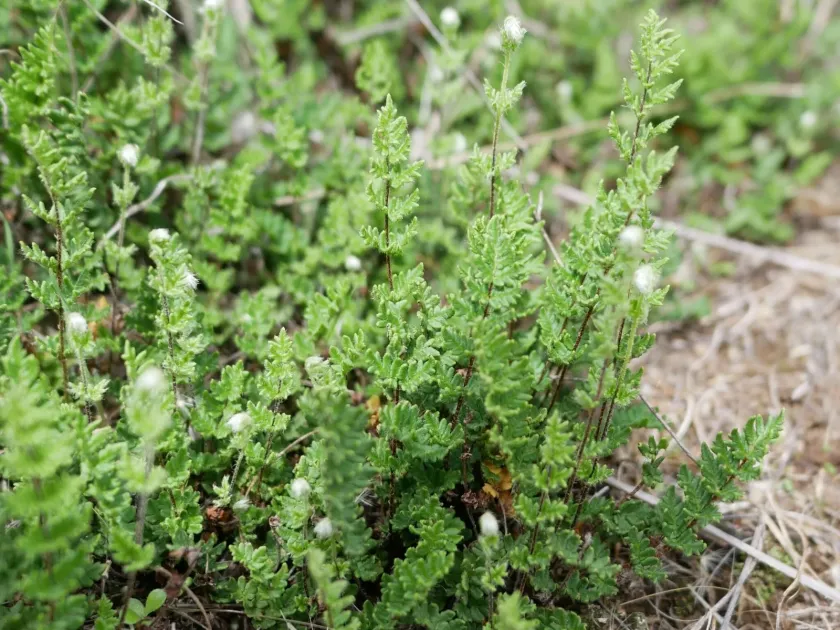
Description
Growing requirements
Hemionitis distans is a unique fern species belonging to the Pteridaceae family. Originating from the tropical forests of Central and South America, it thrives in environments characterized by constant humidity, diffused light, and mild temperatures throughout the year.
The successful cultivation of this species requires a strictly controlled climate. Indoor humidity levels should be maintained at a minimum of 70%, which makes this plant an ideal candidate for enclosed display cases or terrariums where microclimatic stability is guaranteed.
Regarding light requirements, Hemionitis distans demands bright but indirect lighting. Direct sunlight is highly detrimental to the foliage, causing rapid wilting and tissue damage, while overly dark conditions lead to stunted growth and loss of the plant's characteristic form.
The substrate must be highly porous and moisture-retentive. A typical potting mix for this fern includes peat moss, perlite, and small amounts of organic leaf litter, ensuring excellent aeration and drainage to prevent any risk of root suffocating.
As a horticultural object, this fern is highly regarded for its aesthetic value in tropical garden designs and specialized collections. Its intricate leaf structure provides a sophisticated visual appeal that highlights the diversity of the Pteridaceae family.
Main diseases and pests
Pests such as spider mites and mealybugs represent the primary biological threats. These insects thrive in dry or poorly ventilated spaces, necessitating regular monitoring of the foliage and preventive cleaning with mild horticultural soaps.
Fungal diseases are predominantly caused by waterlogged soil and poor drainage practices. To maintain plant health, it is essential to ensure that the potting medium remains moist but never saturated, preventing the development of anaerobic conditions that favor rot.