
Hemionitis elegans
Hemionitis elegans
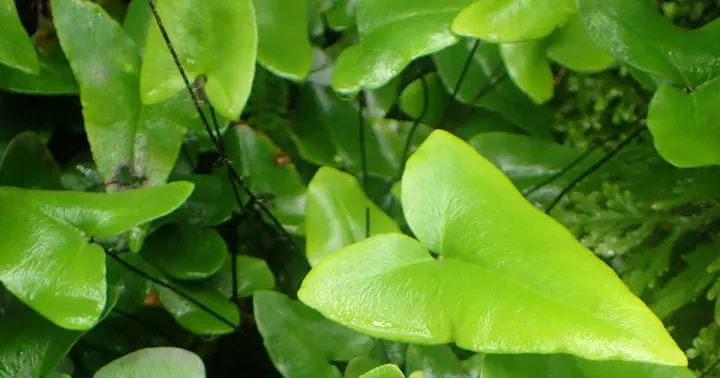
Description
Growing requirements
Hemionitis elegans is an elegant fern species belonging to the Pteridaceae family. Originally native to the tropical forests of South America, this plant is highly prized in ornamental horticulture for its delicate foliage and unique growth pattern.
To cultivate this fern successfully, it is essential to replicate a tropical microclimate. This includes maintaining ambient temperatures between 18 and 25 degrees Celsius and protecting the plant from cold drafts, which can cause significant tissue damage.
The choice of growing medium is crucial for this species. It requires a well-draining, loose, and slightly acidic substrate. A mixture of peat, perlite, and decomposed pine bark provides the necessary aeration and moisture retention required for root health.
Consistent moisture management is the cornerstone of its cultivation. While the substrate should never be waterlogged, allowing it to dry out completely is detrimental. Bottom watering is recommended to keep the foliage dry and prevent potential crown rot.
Light levels should be strictly controlled, providing bright but indirect light. Exposure to direct sunlight will scorch the sensitive fronds, leading to rapid deterioration of the plant's aesthetic appeal and health.
Main diseases and pests
The most common pests affecting Hemionitis elegans are scale insects and mealybugs. Regular inspections are mandatory to ensure these pests are detected before they can establish large colonies on the undersides of the fronds.
Fungal pathogens such as Rhizoctonia are frequent threats if the soil remains excessively wet for prolonged periods. Improving airflow and ensuring the drainage holes are not blocked are the best preventative measures against soil-borne diseases.
Low humidity levels often lead to crispy leaf edges and stunted growth. The use of pebble trays with water or professional room humidifiers is highly effective in maintaining the required humidity levels around the fern.
If fungal spots appear on the leaves, localized fungicide treatments or the removal of infected fronds may be necessary to stop the spread. Avoiding over-fertilization is also key, as excess salts in the soil can stress the roots.
Overall plant health is best monitored through leaf color and vigor. Any sudden changes in texture or color warrant an immediate review of environmental factors such as light, temperature, and irrigation frequency.