
Heart-leaf fern
Hemionitis cardiomorpha
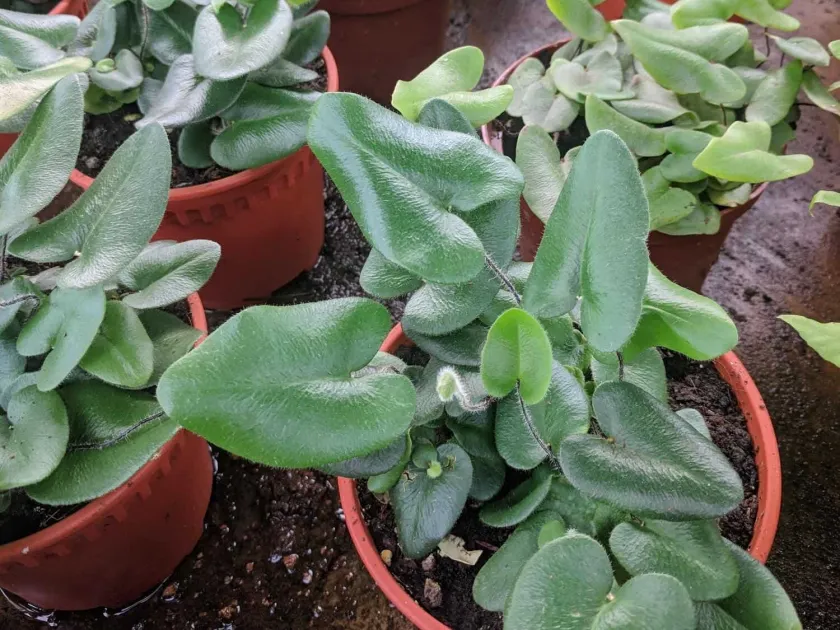
Description
Growing requirements
The Heart-leaf fern (Hemionitis cardiomorpha) is a distinctive perennial plant belonging to the Pteridaceae family. Native to the tropical forests of Asia, this species thrives in humid, shaded environments where it can anchor itself in nutrient-rich organic litter.
To cultivate this fern successfully, maintaining an optimal temperature range of 18°C to 24°C is essential. It is highly sensitive to cold drafts and extreme thermal fluctuations, which often result in leaf curling and accelerated foliage decline.
Humidity is the most critical factor for this plant, as it naturally requires high moisture levels often exceeding 70%. Growing it in a terrarium or a dedicated indoor wardian case is highly recommended for maintaining stable humidity levels in residential environments.
The potting medium must be light, porous, and moisture-retentive while remaining well-aerated. A mixture of peat moss, perlite, and fine bark is ideal, as it prevents the compaction of the root zone and ensures healthy gas exchange within the soil structure.
In terms of light, the Heart-leaf fern prefers bright, indirect light conditions. While it is tolerant of low light, vigorous growth is observed only when kept in locations with consistent, soft light exposure away from any direct scorching sunbeams.
Main diseases and pests
Root rot, caused by overwatering or poor drainage, represents the primary threat to the Heart-leaf fern. If the substrate remains waterlogged for extended periods, the rhizome can decay rapidly, leading to the irreversible loss of the plant's structural integrity.
Spider mites are notorious pests that attack this fern during the dry season or in rooms with insufficient atmospheric moisture. These tiny arachnids thrive in stagnant air and cause the leaves to lose their vibrant green color, eventually leading to mottling and drying.
Mealybugs may also infest the base of the petioles, where they feed on plant sap and secrete honeydew. This substance can foster the growth of sooty mold, which impairs the plant's ability to photosynthesize and drastically reduces its aesthetic value.
Fungal leaf spot diseases are common when foliage is kept wet for too long without adequate ventilation. It is advisable to water the soil directly and avoid wetting the delicate leaves to prevent the proliferation of pathogenic spores on the leaf surface.
Routine inspections are vital for effective pest management. By checking the undersides of the heart-shaped leaves regularly, growers can identify early signs of infestation and address issues before they compromise the entire health of the fern colony.