
Hemionitis sieberi
Hemionitis sieberi
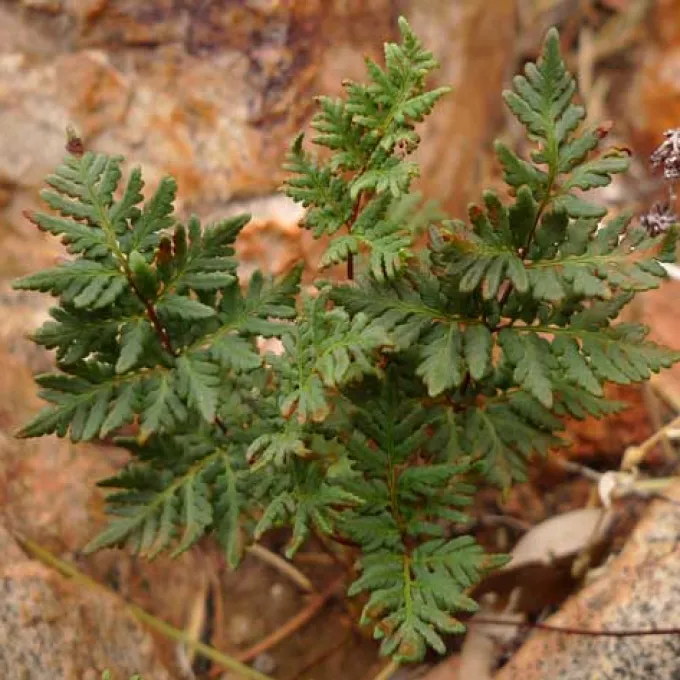
Description
Growing requirements
Hemionitis sieberi is a decorative perennial fern belonging to the Pteridaceae family. This tropical plant originates from forest habitats characterized by high humidity levels and stable environmental temperatures, making it a sensitive species to keep in indoor conditions.
For successful growth, it is essential to provide bright, indirect light, as direct sunlight can easily scorch the delicate foliage. The ideal temperature range for this fern is between 18 and 24 degrees Celsius, while protection from cold drafts is strictly necessary.
Soil requirements dictate the use of a moisture-retentive yet well-draining substrate. A mixture comprising leaf mold, peat, and finely chopped bark, enriched with perlite, is recommended to ensure the root system stays aerated and does not suffer from waterlogging.
High air humidity is a critical factor for Hemionitis sieberi, ideally maintained at 60–70 percent. Regular misting with distilled water or the use of an ultrasonic humidifier is recommended to prevent the leaf tips from turning brown and drying out.
Irrigation should be performed using soft water only after the top layer of the substrate has become slightly dry. Excessive watering leads to root rot, which is the most common cause of mortality for this species in domestic agricultural settings.
Main diseases and pests
The primary pests affecting this fern are spider mites and scale insects, which flourish in low-humidity environments. Immediate isolation of the affected specimen and the use of targeted acaricides or insecticides are required to control infestations effectively.
Fungal diseases, such as root rot and gray mold, often develop due to poor drainage and stagnant air conditions. Preventive measures include strictly controlled irrigation and the application of copper-based fungicides if leaf spotting occurs.
Nutrient deficiencies manifest through chlorosis or yellowing of the fronds. To maintain its aesthetic value, growers should apply a balanced liquid fertilizer at half the recommended strength during the active growth season to avoid salt burn.
Inappropriate lighting conditions can weaken the plant's natural defense systems. Insufficient light results in etiolation, where the plant becomes leggy and loses its deep green pigmentation, making it more susceptible to secondary infections.
Frequent inspections of the undersides of the fronds help in the early detection of pests. Maintaining a consistent hygiene routine, including removing dead leaves, ensures the long-term health and vitality of this tropical fern.