
Hemionitis pteridioides
Hemionitis pteridioides
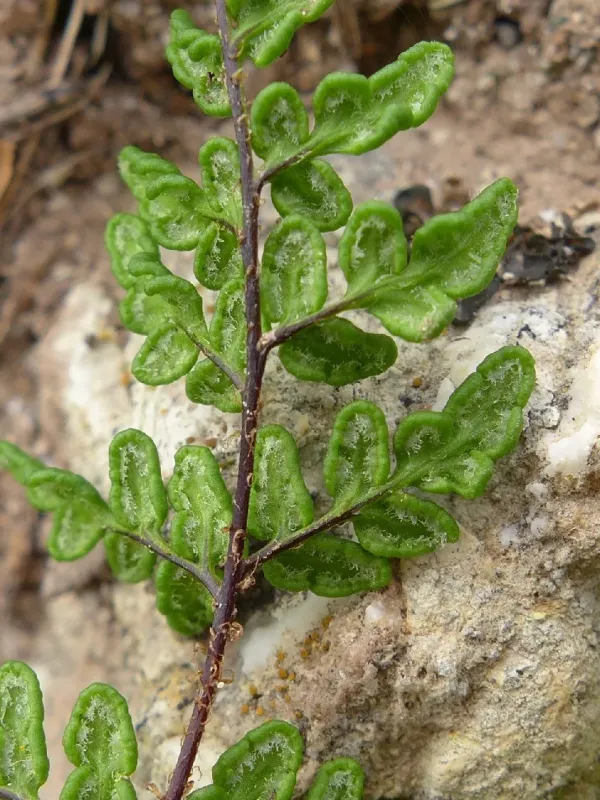
Description
Growing requirements
Hemionitis pteridioides is an intriguing fern belonging to the Pteridaceae family. This species originates from tropical habitats where it thrives in shaded and humid environments, making it a specialized subject for greenhouse or indoor cultivation.
The plant requires high levels of ambient humidity to maintain the health of its delicate fronds. A consistent environment, similar to its native understory habitat, with protection from direct sunlight, is essential to prevent tissue damage and wilting.
The soil substrate must be porous and rich in organic matter. A mix containing peat moss, perlite, and leaf mold is highly recommended to provide the necessary aeration for the root system while maintaining moisture levels without waterlogging.
Temperature management is crucial for the survival of this species. It prefers a steady range between 18 and 25 degrees Celsius and should be protected from cold drafts, which can cause significant stress to the foliage and stunted growth.
Horticultural use of Hemionitis pteridioides is focused on ornamental interior design. It is often included in terrariums or tropical vivariums where the microclimate can be easily controlled to match the specific needs of this unique fern.
Main diseases and pests
Scale insects are among the most common pests affecting this fern, typically hiding under the fronds. These pests drain the plant's resources and leave behind honeydew, which can eventually lead to the development of sooty mold.
Root rot is a significant threat caused by poor drainage or excessive watering. Once the root system is compromised, the fronds rapidly turn yellow and wither, often leading to the eventual death of the entire plant if left unaddressed.
Spider mites can become a problem in environments where humidity is not strictly maintained. These tiny pests feed on the leaves, leaving fine webbing and causing the foliage to lose its vibrant color and become brittle over time.
Fungal infections, including leaf spots, can occur when the air is too stagnant or when water remains on the fronds for extended periods. Providing proper air circulation is the best preventative measure against these types of pathogens.
Nutrient deficiencies, particularly involving nitrogen and magnesium, can result in stunted growth and chlorosis. Applying a diluted, balanced liquid fertilizer during the active growing season helps maintain the plant's aesthetic quality and vitality.