
Hemionitis pinnatifida
Hemionitis pinnatifida
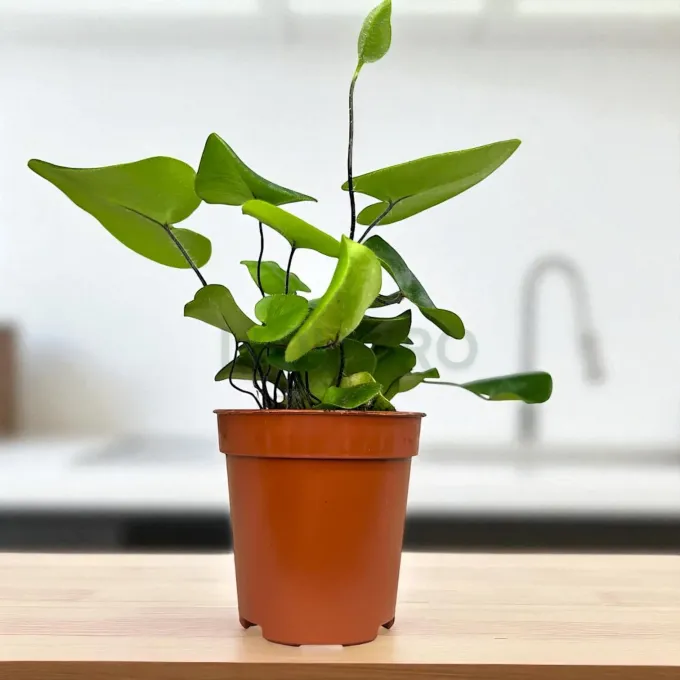
Description
Growing requirements
Hemionitis pinnatifida is a distinctive member of the Pteridaceae family, known for its elegant foliage and specific growth habits. In agricultural and horticultural contexts, it is classified as a sensitive ornamental fern requiring precise environmental control.
Originating from the tropical and subtropical regions of Asia, this plant thrives in areas with consistent moisture. Unlike traditional broad-acre crops, its cultivation is strictly limited to greenhouses or controlled indoor environments where microclimate can be managed.
The soil requirements are specific: the plant demands a well-aerated, porous substrate rich in organic matter. A mixture containing peat moss and perlite is ideal for maintaining the necessary balance between moisture retention and essential root aeration.
Regarding light, Hemionitis pinnatifida performs best in indirect, filtered light conditions. Excessive light intensity leads to rapid transpiration and leaf scorch, making greenhouse shading or specific indoor placement essential for maintaining plant vigor.
Temperature management is critical for the developmental cycle of this fern. It requires a stable ambient temperature, ideally between +18 and +23 degrees Celsius, to support active frond production and prevent seasonal growth stagnation.
Main diseases and pests
The primary pests affecting this crop include spider mites and scale insects. These pests are particularly prevalent in low-humidity environments, necessitating frequent misting or the use of humidifiers to maintain a healthy growth climate.
Root rot, often caused by overwatering or poor drainage, remains the most significant pathological threat to the crop. To mitigate these risks, it is advised to use high-quality, sterile growing media and ensure that excess water can drain freely from the pots.