
Hemionitis palmata
Hemionitis palmata
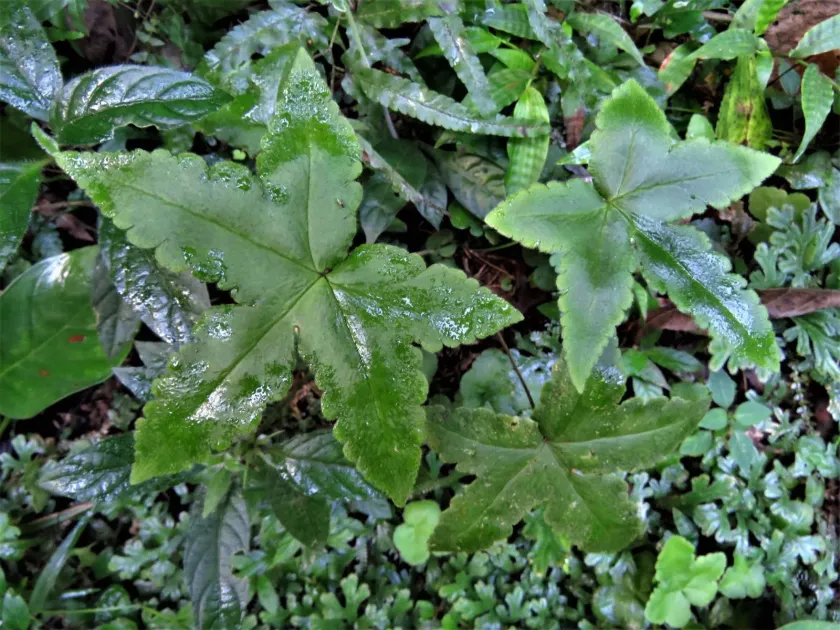
Description
Growing requirements
Hemionitis palmata, commonly known as the strawberry fern, is a small, attractive species belonging to the Pteridaceae family. Native to the tropical regions of Central and South America, it is prized for its unique, palmately-lobed fronds that develop in a rosette pattern.
This species thrives in high-humidity environments, making it an excellent candidate for terrariums or humid greenhouses. It requires a consistent temperature range between 18 and 24 degrees Celsius to maintain healthy vegetative growth throughout the year.
The substrate must be light, moisture-retentive, and well-draining. A mix consisting of peat moss, perlite, and a small amount of charcoal is ideal for providing the root zone with both the necessary moisture and the aeration required to prevent hypoxia.
Light levels should be kept in the low to moderate range. Hemionitis palmata is extremely sensitive to direct solar radiation, which can easily scorch its delicate fronds, leading to permanent aesthetic damage and physiological stress.
Watering practices are critical for this culture; the soil should remain evenly moist but never saturated. Using soft, dechlorinated water at room temperature helps prevent salt buildup in the substrate, which can inhibit nutrient uptake and damage roots.
Main diseases and pests
Common pests include aphids and fungus gnats, which are often attracted to the moist organic matter in the pots. Management strategies involve sanitation of the growing environment and the use of yellow sticky traps for monitoring populations.
Fungal infections, often manifesting as foliar spots or stem blight, are linked to excessive humidity combined with poor air circulation. Improving ventilation around the plants is essential for maintaining the health and vigor of the fern population.