
Hemionitis morla
Hemionitis morla
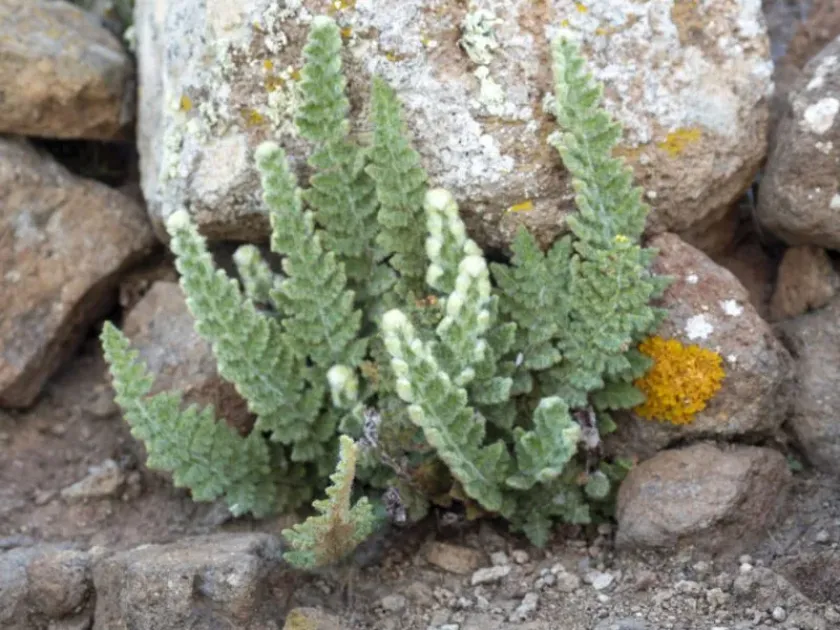
Description
Growing requirements
Hemionitis morla is an exotic perennial species belonging to the Pteridaceae family. It is recognized for its distinctive foliage and specific environmental requirements, typically associated with tropical forest floors and rocky habitats.
Botanically, the plant develops via a rhizomatous structure, producing a rosette of specialized leaves. This structure is highly efficient at capturing moisture from the ambient air, making it well-adapted to high-humidity environments.
In terms of cultivation, the plant requires a highly porous and well-draining substrate. A mix of organic matter, such as peat or coco coir, combined with perlite, is recommended to ensure both moisture retention and adequate aeration for the roots.
The climatic conditions should be strictly controlled, with optimal temperatures maintained between 18°C and 26°C. The species is highly sensitive to desiccation, necessitating a consistent moisture supply to prevent tissue damage and physiological stress.
Lighting requirements are focused on shade-loving adaptation. Intense direct sunlight is detrimental, causing leaf chlorosis and necrosis, whereas filtered or indirect light promotes optimal photosynthetic activity and steady growth rates.
Main diseases and pests
The primary threats to Hemionitis morla are fungal pathogens that thrive in damp, poorly ventilated environments. Root rot is the most common issue resulting from waterlogged conditions and lack of proper soil drainage.
Pest pressures often include mites and scale insects. These pests feed on the underside of the fronds, potentially weakening the plant if not managed through timely intervention and balanced integrated pest management (IPM) strategies.