
Hemionitis microphylla
Hemionitis microphylla
Description
Growing requirements
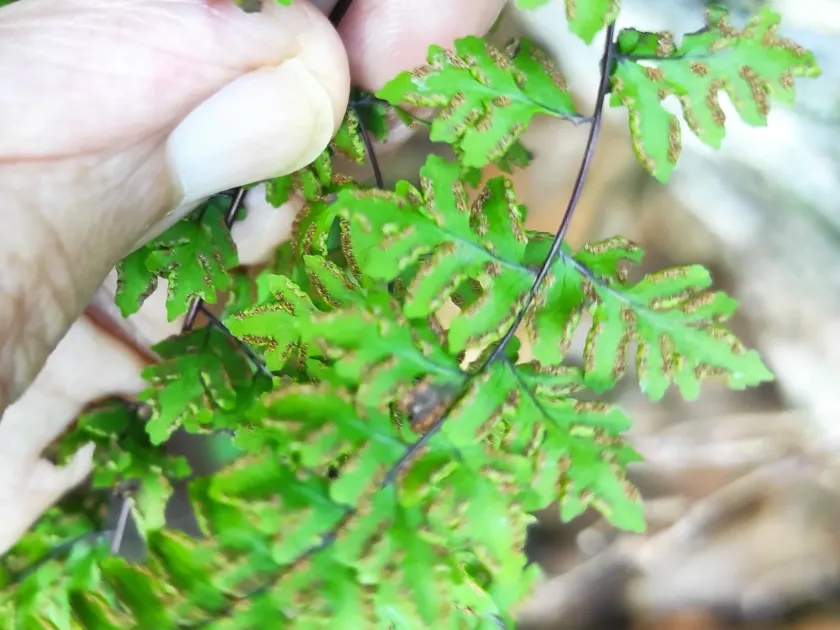
Hemionitis microphylla is a distinct fern species belonging to the Pteridaceae family. Originating from tropical forest ecosystems, this plant is valued for its unique morphology and dense, delicate foliage that adds a lush aesthetic to any interior or greenhouse collection.
Climatic requirements focus on maintaining a stable environment with temperatures typically ranging between 20°C and 25°C. This plant is highly sensitive to cold drafts, which can cause significant stress and leaf drop if the ambient temperature fluctuates too rapidly.
Regarding light, this species thrives in indirect, filtered sunlight. Excessive exposure to direct sun rays will scorch the leaves and weaken the plant's structural integrity, necessitating shaded locations or placement behind curtains to ensure consistent, gentle illumination.
The soil profile must be loose, porous, and well-draining to prevent root asphyxiation. A peat-based mixture enriched with perlite, organic humus, and chopped sphagnum moss provides the ideal balance of moisture retention and necessary root aeration.
Watering practices require consistent moisture levels without creating a waterlogged environment. Using room-temperature distilled or filtered water is highly recommended to avoid salt buildup in the substrate, which can be detrimental to the delicate fern roots.
Main diseases and pests
Pest management for Hemionitis microphylla primarily involves monitoring for spider mites and scale insects. These pests often proliferate in low-humidity environments, making consistent misting and proper plant spacing vital for long-term health and pest prevention.
Root rot remains the most common threat, usually resulting from inadequate drainage or improper watering techniques. If signs of rot appear, it is essential to trim away affected roots and immediately repot the plant into a sterile, dry soil medium.
Fungal leaf spots can occur if moisture is trapped on the leaf surface for extended periods without sufficient airflow. Maintaining good ventilation helps mitigate these risks, allowing the foliage to dry correctly after watering or high-humidity cycles.
Nutritional imbalances may lead to chlorosis or stunted growth, signaling the need for a balanced, diluted liquid fertilizer. Application should be performed strictly during the active growing season, with rest periods observed during winter months to protect the roots.
Integrated pest management, including the use of neem oil or insecticidal soaps, serves as a safe and effective control method. Always perform a patch test on a few leaves before applying any chemical treatment to ensure the plant tolerates the concentration.