
Hemionitis michelii
Hemionitis michelii
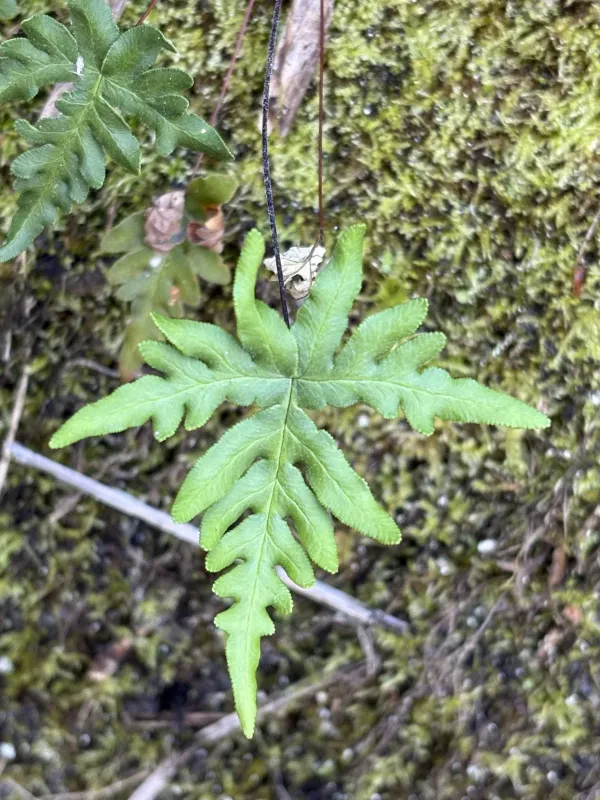
Description
Growing requirements
Hemionitis michelii is a distinct species of fern within the Pteridaceae family. Primarily recognized for its ornamental value, this plant requires specialized cultivation techniques that mimic its native tropical forest habitat to thrive successfully indoors or in greenhouse settings.
Climate requirements for this fern are strict regarding humidity; it demands a high atmospheric humidity level, ideally between 65% and 80%. Temperatures should remain constant, preferably ranging between 18°C and 24°C, as the plant is sensitive to thermal stress and cold drafts.
The potting medium must be exceptionally well-draining, loose, and rich in organic matter. A mixture consisting of sphagnum peat, perlite, and small amounts of charcoal is highly recommended to prevent compaction and ensure that the root system has adequate access to oxygen.
Light management is crucial, as Hemionitis michelii naturally grows in the shaded understory. Direct sunlight is harmful and will cause leaf scorching; therefore, filtered light or indirect morning light is the most appropriate exposure for this fern.
Watering frequency should be adjusted based on the substrate moisture levels. The goal is to maintain a consistently moist soil structure without allowing the roots to sit in saturated, stagnant water, which is a major risk factor for plant mortality.
Main diseases and pests
The primary threats to Hemionitis michelii include fungal pathogens such as Pythium and Rhizoctonia, which thrive in waterlogged soil conditions. These diseases lead to root and rhizome decay, often causing rapid decline in plant health.
Insect pests include spider mites, which are particularly prevalent in dry environments. They cluster on the undersides of the fronds and can quickly weaken the plant by extracting essential sap, leading to foliage chlorosis and eventual necrosis.
Mealybugs can also infest this fern, hiding in the junctions between the petioles and the rhizome. Manual removal with a cotton swab dipped in isopropyl alcohol is an effective control method for minor infestations on this delicate species.
Maintaining proper hygiene by removing dead or decaying fronds is essential for disease prevention. Decaying organic matter on the soil surface can harbor spores that compromise the plant's structural integrity over time.
If chemical interventions are necessary, always opt for products specifically labeled safe for sensitive fern species. Avoid heavy oil-based sprays, as these can clog the stomata of the fronds and cause irreparable damage to the leaf tissue.