
Hemionitis ludens
Hemionitis ludens
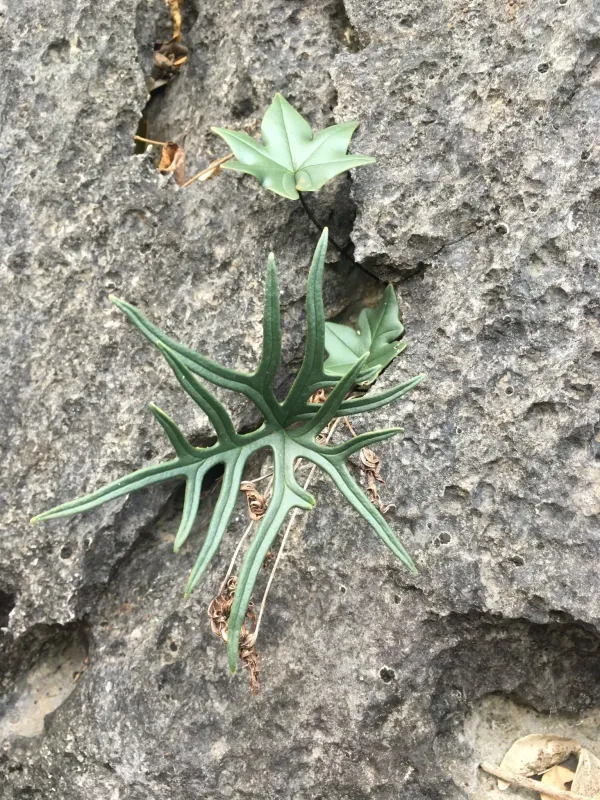
Description
Sowing dates
Propagation of Hemionitis ludens is primarily achieved through division of the rhizomes or by utilizing small plantlets that develop on the fronds. This procedure is most successful during the early spring when the plant enters its active growth phase.
For planting, use a light, loose, and moisture-retentive substrate that ensures proper aeration. It is critical to avoid burying the crown too deep, as this often leads to fungal infections and the decay of the young plant.
When propagating via spores, they should be sown on the surface of a moist, sterile medium in a high-humidity environment. Constant temperature and low-light conditions are essential to mimic the forest floor and ensure successful germination.
Young plants require consistent moisture levels; however, waterlogging should be strictly avoided to prevent root rot. Regular repotting is recommended when the roots fully fill the container, usually every two years.
To accelerate rooting of divisions, a balanced growth regulator may be applied, and the plant should be kept under cover to maintain high humidity until it becomes well-established in the new pot.
Growing requirements
As a member of the Pteridaceae family, Hemionitis ludens is native to humid tropical forest floors. In cultivation, it thrives best in bright, indirect light, as direct sunlight can easily scorch its delicate foliage.
The ideal temperature range is between 18 and 24 degrees Celsius throughout the year. The plant is highly sensitive to cold drafts and sudden temperature fluctuations, which can cause significant stress and leaf drop.
High relative humidity, ideally above 60 percent, is vital for the health of this fern. Using a pebble tray or an automated humidifier is recommended to prevent the tips of the fronds from turning brown and drying out.
The soil should be slightly acidic and well-draining, consisting of a mix of peat, leaf mold, and horticultural charcoal. This composition prevents soil compaction and allows for the necessary air circulation around the root system.
Regular watering with soft, room-temperature water is essential to keep the substrate evenly moist. The plant should never be left to dry out completely, as its recovery from severe dehydration is often difficult.
Main diseases and pests
The primary pests targeting Hemionitis ludens are spider mites and scale insects. These pests thrive in dry indoor air, making regular inspection of the undersides of the leaves and fronds a necessary maintenance task.
Overwatering often leads to root and crown rot, which are among the most common threats to this fern. If signs of decay appear, the plant must be removed from the pot, damaged roots pruned, and the medium replaced.
Fungal infections can manifest as dark lesions on the leaves, usually triggered by poor ventilation and excessive moisture on the foliage. Improving airflow around the plant is the most effective preventative measure.
Leaf tip necrosis is a frequent issue caused by low humidity or the accumulation of mineral salts in the soil. Flushing the soil occasionally with filtered water helps to remove excess salts and maintain plant health.
Nutrient deficiency can lead to stunted growth and yellowing fronds. A light, diluted liquid fertilizer formulated for ferns should be applied during the growing season to ensure the plant receives all essential nutrients.