
Helicia robusta
Helicia robusta
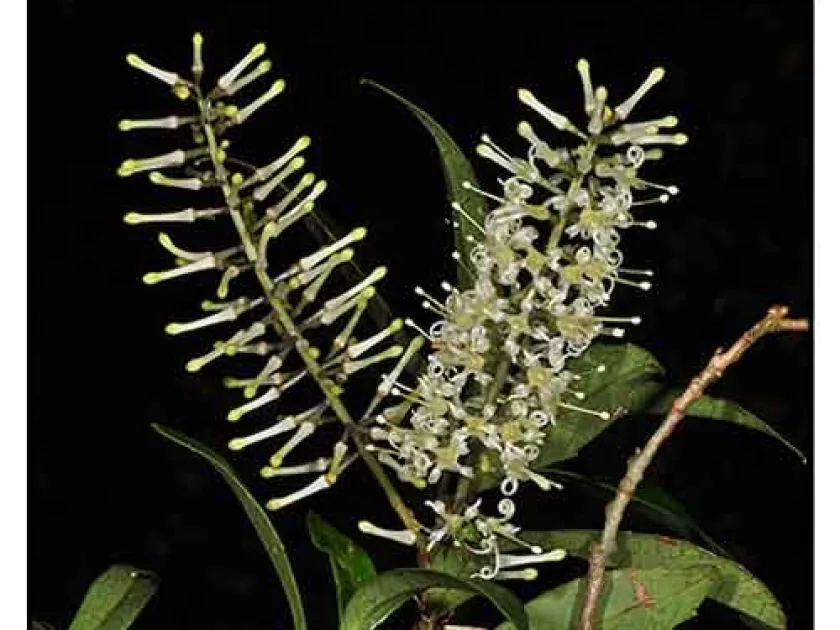
Description
Growing requirements
Helicia robusta is a prominent member of the Proteaceae family, native to tropical forests. It is recognized as a hardy evergreen tree that plays a significant role in the biodiversity of its native regions, adapting well to humid and stable environmental conditions.
The cultivation of this species requires a tropical climate characterized by high annual rainfall and the absence of frost. It thrives in lowland and sub-montane environments, necessitating regions with consistent temperature profiles to maintain metabolic activity throughout the year.
Soil requirements are centered around high permeability and good drainage. The tree prefers slightly acidic to neutral soils that do not suffer from waterlogging, as the root system is sensitive to prolonged anaerobic conditions common in poorly drained clays.
From an agrotechnical standpoint, young saplings benefit from managed shade to prevent heat stress and optimize their initial establishment phase. As they mature, they become more resilient to direct sun exposure, requiring minimal maintenance once the root structure is fully developed.
Proper spacing is crucial for plantation success, as it allows for optimal canopy expansion. This plant also responds positively to light mulching, which helps to preserve soil moisture and replenish organic matter in the topsoil layer.
Yield
The primary utility of Helicia robusta is twofold, encompassing both its timber value and its nutritional potential. The wood is dense, durable, and highly prized for fine furniture manufacturing due to its unique grain patterns and resistance to wear.
The seeds of the plant are edible and serve as a source of fats and proteins. When processed, they can yield high-quality oils, making this crop a viable candidate for sustainable development in agricultural projects within its native range.
Yield stabilization is achieved through systematic care, including regular pruning to manage tree height and improve accessibility for harvesting. The trees typically begin to bear fruit after a specific maturation period, providing annual yields if managed correctly.
Harvesting strategies involve manual picking and sorting of mature fruits. Post-harvest, seeds require proper drying to prevent fungal infections and ensure long-term storage quality for both consumption and industrial processing.
By integrating Helicia robusta into agroforestry systems, producers can achieve ecological balance while simultaneously extracting economic value. Its ability to provide structural support for soil and food security makes it an important asset for tropical agriculture.