
Helicia attenuata
Helicia attenuata
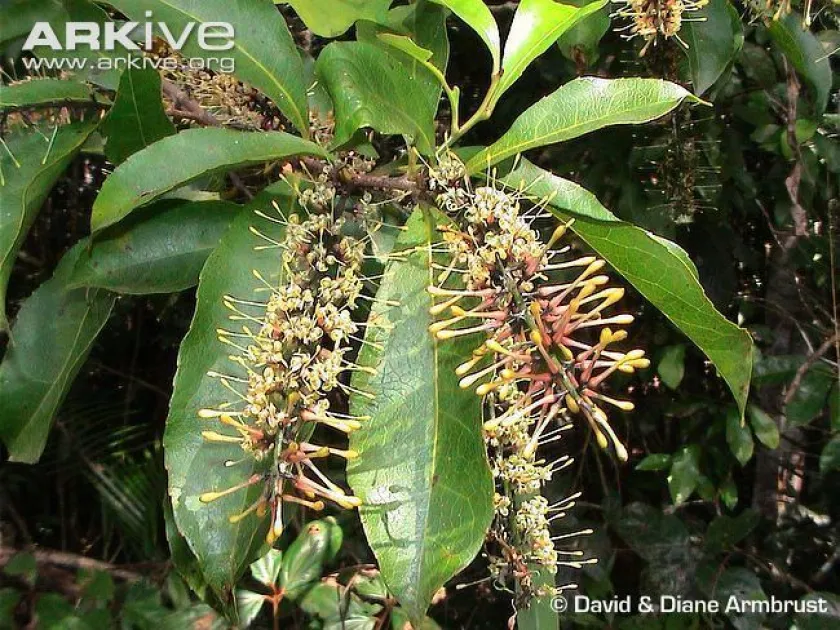
Description
Growing requirements
Helicia attenuata is a perennial woody plant belonging to the Proteaceae family. Native to the humid tropical forests of Southeast Asia, this species thrives in environments characterized by high atmospheric moisture and consistent thermal conditions throughout the year.
The cultivation of this species requires a stable climate with temperatures ideally ranging from 20°C to 30°C. It is highly sensitive to cold stress, making it unsuitable for outdoor cultivation in temperate regions without specialized greenhouse protection.
Soil requirements are quite specific: the plant demands a well-draining, acidic, and nutrient-rich substrate. It is essential to ensure that the potting medium remains moist but never waterlogged to prevent root system hypoxia and subsequent decline.
Regarding light, Helicia attenuata prefers semi-shaded areas. Intense direct sunlight can lead to leaf scorching, whereas insufficient light may significantly inhibit the rate of photosynthesis and overall plant development.
In terms of хозяйственное использование, the plant is primarily valued for its botanical uniqueness and its role in maintaining biodiversity within specialized arboretums. Its wood and physical structure are studied in the context of tropical forest resilience and morphology.
Main diseases and pests
The primary threats to this species include soil-borne fungal pathogens such as Phytophthora. These pathogens thrive in stagnant water conditions and can rapidly destroy the root system, leading to the irreversible wilting of the plant.
Pest management should focus on common greenhouse intruders such as scale insects and spider mites. These pests can cause significant leaf damage, weakening the plant and increasing its susceptibility to secondary opportunistic bacterial or fungal infections.