
Helicia cochinchinensis
Helicia cochinchinensis
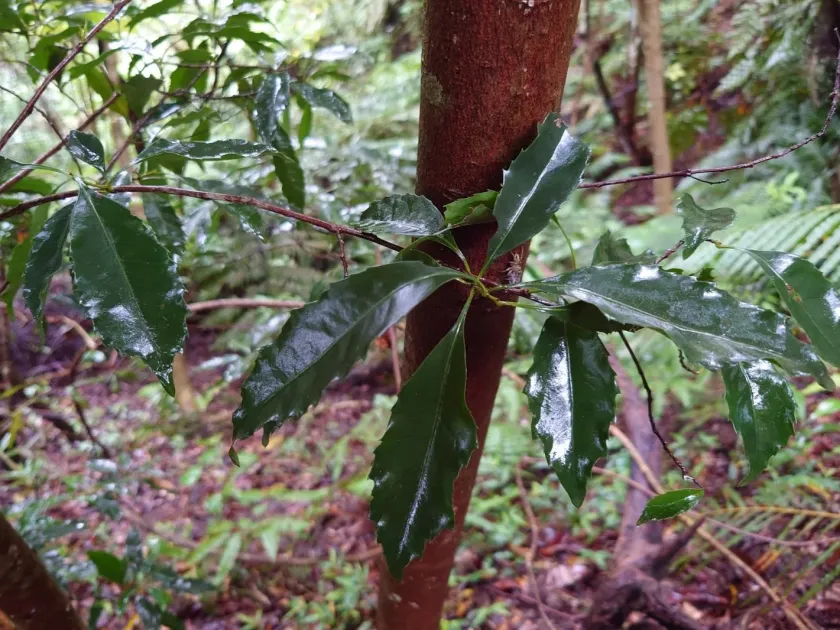
Description
Sowing dates
Propagation of Helicia cochinchinensis is primarily achieved through seeds or semi-hardwood cuttings. Seeds require pre-sowing treatment to break dormancy and ensure consistent germination rates in controlled environments.
Sowing should take place in a well-draining, sterile potting mix kept at a consistent temperature of approximately 20–22°C. Humidity must be managed carefully to prevent seed decay during the sensitive germination phase.
When propagating via cuttings, selecting healthy, disease-free lateral shoots is essential. These cuttings benefit from the application of rooting hormones and high humidity levels during the initial weeks of development.
Young plants should be hardened off gradually before being transitioned to their permanent outdoor location. This acclimatization period reduces transplant shock and encourages robust root development.
Spacing is critical; maintaining a distance of 2 to 3 meters ensures adequate airflow around each plant, reducing the risk of fungal outbreaks in denser plantings.
Growing requirements
Helicia cochinchinensis is a member of the Proteaceae family, native to the tropical and subtropical regions of Southeast Asia. It is valued for its evergreen foliage and elegant growth habit.
The plant thrives in fertile, well-draining soils with a slightly acidic pH. It is particularly sensitive to heavy, clay-based soils that impede root respiration and drainage.
Climatic requirements focus on warmth and consistent moisture. While the plant can tolerate partial shade, it performs best in environments that mimic its native forest understory, protected from harsh winds.
Regular irrigation is necessary to maintain soil moisture, yet the plant is intolerant to waterlogged roots. Utilizing organic mulch can help retain soil moisture while suppressing weed competition.
Nutrient management involves applying balanced fertilizers designed for acidic-loving plants. Over-fertilization should be avoided, as it can lead to succulent growth susceptible to pests.
Main diseases and pests
Root rot is the most significant threat, typically induced by poor drainage or excessive watering. Maintaining a dry root zone during dormant periods is a vital preventative measure.
Pests such as scale insects and mealybugs can infest the foliage, particularly in greenhouse or low-airflow conditions. Regular scouting and the use of horticultural oils are effective management techniques.
Nematodes in the soil can cause systemic stress to the plant, limiting nutrient uptake and overall vigor. Ensuring a sterile growing medium at the planting stage is a primary preventative strategy.
Fungal leaf spot diseases may appear during periods of prolonged humidity. Improving sanitation by removing fallen leaves and pruning congested branches helps maintain plant hygiene.
Nutrient deficiencies, specifically iron chlorosis, can occur if the soil pH shifts out of the optimal range. Periodic soil testing and foliar micronutrient applications can mitigate these issues.