
Helicia ceylanica
Helicia ceylanica
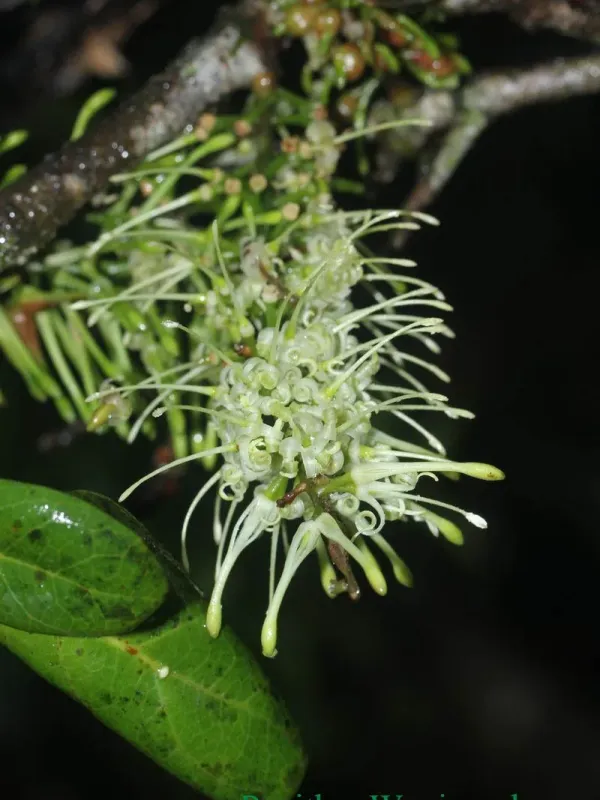
Description
Growing requirements
Helicia ceylanica is a woody plant belonging to the Proteaceae family. It is typically found in the dense, moist tropical forests of South and Southeast Asia, with a native range extending across Sri Lanka and India.
This species thrives in a tropical climate characterized by consistently high temperatures and significant atmospheric humidity throughout the year. It does not tolerate prolonged dry spells or sudden frost conditions.
Cultivation requires acidic, well-draining soils rich in organic matter. As a member of the Proteaceae, it is highly sensitive to waterlogging, which necessitates careful site selection to ensure optimal root health.
In agroforestry systems, Helicia ceylanica is valued for its ability to grow under partial shade. This characteristic makes it a suitable candidate for multi-layered planting schemes in tropical regions.
The plant exhibits slow juvenile growth, requiring patience and dedicated care during the establishment phase. Maintenance involves mulching to preserve soil structure and monitoring nutrient levels to prevent deficiencies.
Main diseases and pests
The most prevalent threat to Helicia ceylanica is root rot, primarily caused by waterlogged soil conditions and subsequent fungal infections. Proper drainage remains the primary defense against these pathogens.
Insect pests, including leaf-mining larvae and various beetles, can cause significant damage to the canopy. Regular inspections are necessary to mitigate potential outbreaks during the active growing season.
Weed competition poses a severe challenge for young trees. If not properly cleared, invasive vegetation can quickly outcompete Helicia saplings for sunlight, water, and essential nutrients.
Nutrient toxicity, especially related to high levels of phosphorus in fertilizers, must be avoided, as many Proteaceae are adapted to low-phosphorus environments and may suffer from fertilizer burn.
Biosecurity measures should be implemented to prevent the introduction of foreign pathogens. Maintaining a clean cultivation environment is essential for the long-term viability of the plant populations.