
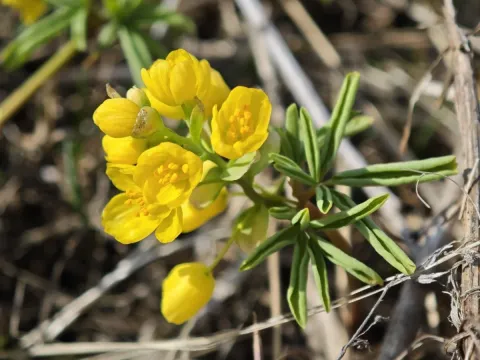
Gymnospermium
Gymnospermium
Gymnospermium is a specialized herbaceous perennial plant belonging to the Berberidaceae family, known for its unique botanical profile and specific environmental requirements.
What the section contains


Gymnospermium
Propagation of this culture is primarily achieved through seeds, which require a strict stratification process to break seed dormancy and ensure successful germination.
Sowing in open field conditions is recommended during the autumn season to mimic natural climatic cycles, providing the essential cooling period for the embryos.
Vegetative propagation via rhizome division is possible but should be handled with extreme care due to the slow growth rate characteristic of this genus.
The ideal timeframe for division is early spring, prior to the onset of the active vegetative period, which minimizes transplant shock and promotes faster establishment.
The cultivation of Gymnospermium requires a location with dappled sunlight or partial shade, as direct intense sunlight can be detrimental to its foliage.
Soil conditions must prioritize excellent drainage; the plant cannot tolerate heavy or waterlogged substrates, which often lead to immediate root system decay.
A fertile, humus-rich soil composition that mimics forest floor conditions is essential for the healthy development of this perennial species.
Maintaining stable moisture levels is crucial during the early growing season, yet the grower must avoid excessive irrigation that could compromise the roots.
Climatic adaptability is focused on temperate regions, requiring mulch protection in areas prone to harsh winters without significant snow cover to protect dormant buds.
Fungal diseases constitute the primary threat to healthy plant stands, particularly under conditions of poor air circulation and high humidity levels near the soil surface.
Root rot is the most common pathology, often triggered by overwatering or soil compaction, requiring vigilant monitoring of the plant's health status.
Pests such as slugs and snails are highly attracted to the tender emerging shoots of the plant, potentially causing severe damage during the spring months.
Preventative measures include maintaining proper planting distances and ensuring that the top layer of soil is sufficiently aerated to prevent pathogen buildup.
If an infection is detected, immediate removal of affected tissues and the application of suitable fungicidal treatments are necessary to prevent further spread.