
Gymnospermium altaicum
Gymnospermium altaicum
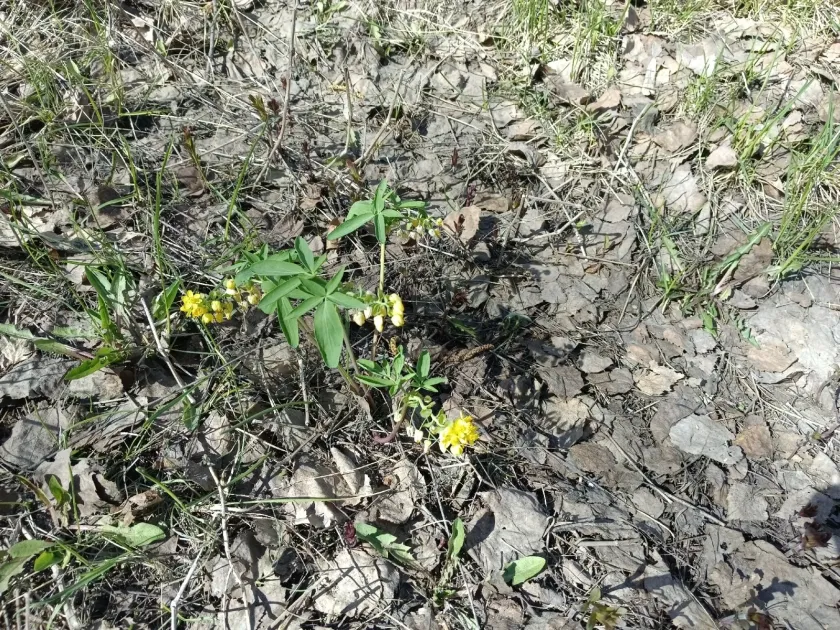
Description
Growing requirements
Gymnospermium altaicum is a herbaceous perennial plant belonging to the Berberidaceae family. This species is native to the mountain ranges of the Altai region, where it has evolved to thrive in specific climatic conditions.
As a classic ephemeroid, the plant displays a very short vegetation cycle. It begins its active growth phase immediately after the snow melts and completes its life cycle by late spring, entering a dormancy phase for the rest of the year.
The plant requires well-drained, humus-rich soil to thrive. It prefers semi-shaded environments, often found naturally at the edges of mountain forests where moisture is consistent during the early growing period.
Cultivation of this species is largely restricted to botanical gardens and specialized collectors. It requires minimal disturbance of the soil, as the bulbous root system is sensitive to mechanical damage and changes in soil structure.
The хозяйственное (economic) potential of this plant is primarily focused on scientific study and the pharmaceutical industry. Its unique chemical composition makes it an object of interest for researchers studying rare plant alkaloids.
Main diseases and pests
Root rot is the most significant threat to Gymnospermium altaicum in cultivation. This condition is primarily caused by poor drainage and excessive watering during the dormant summer period, which leads to fungal infections.
Soil-dwelling larvae can pose a threat to the developing bulbs. Preventative measures include using clean, sterile growing media and monitoring the soil for signs of pest activity during the short spring growing season.
Environmental factors, such as habitat loss and human-led erosion, threaten wild populations. The plant is highly sensitive to ecological changes that alter the spring thaw patterns in its native mountain ranges.
Slugs and snails may occasionally feed on the tender young foliage. Protective measures such as mulching with coarse materials or hand-collection are effective ways to manage these pests without using harsh chemicals.
Because the plant spends most of its life cycle underground, it is naturally protected from many common foliar diseases. Maintaining soil health and avoiding over-fertilization are key to keeping the plants healthy.