
Gymnospermium microrrhynchum
Gymnospermium microrrhynchum
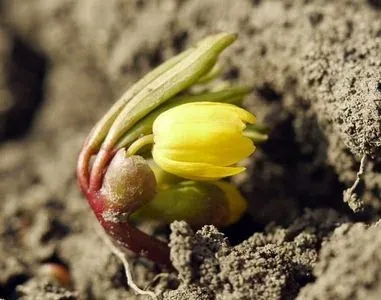
Description
Growing requirements
Gymnospermium microrrhynchum belongs to the Berberidaceae family and represents a specialized group of herbaceous perennials. Native to East Asian regions, it is ecologically adapted to forest environments, exhibiting a typical spring ephemeral growth cycle.
The plant features a distinct tuberous rootstock, which serves as a storage organ. This biological adaptation allows the species to survive harsh winter conditions and emerge rapidly as soon as soil temperatures allow, completing its life cycle before the forest canopy closes.
Successful cultivation requires shaded or semi-shaded conditions with well-structured, humus-rich, and free-draining soil. Providing adequate drainage is paramount, as the tuberous roots are highly susceptible to rot when exposed to excessive moisture for prolonged periods.
The climate requirements include a period of cool temperatures for spring growth followed by a drier period during the summer dormancy. This seasonal rhythm is essential to maintain the health of the rhizomes and ensure consistent flowering in subsequent years.
In terms of economic use, the species is primarily valued for its potential in medicinal research. The presence of specific alkaloids within its tissues makes it an interesting subject for pharmacological studies focused on developing natural plant-based pharmaceutical ingredients.