
Gymnospermium smirnovii
Gymnospermium smirnovii
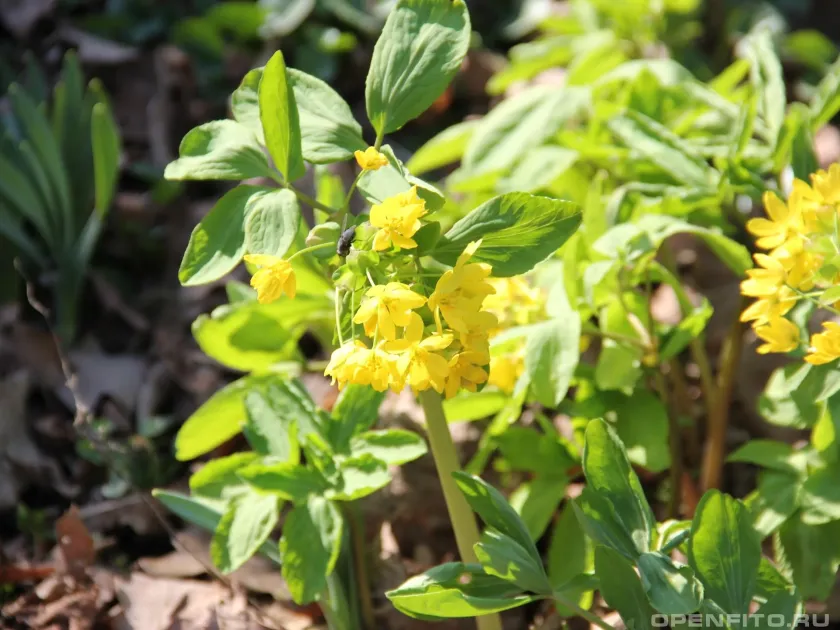
Description
Sowing dates
Gymnospermium smirnovii is a tuberous perennial that is best propagated through seeds sown in late autumn. The seeds require a period of cold stratification to overcome physiological dormancy and ensure successful germination in the following spring.
For cultivation purposes, seeds should be sown in a well-draining substrate at a depth of 1 to 2 centimeters. It is essential to maintain consistent moisture levels during the initial phase without causing waterlogging, which can lead to seed rot.
Germination is typically slow, and seedlings may not appear until the second year, reflecting the biological rhythm of this ephemeral species. Consequently, clear marking of sowing sites is vital to prevent accidental disturbance of the soil during the resting period.
Vegetative propagation via tuber division is performed during the summer dormancy period. Carefully separating the offsets ensures that the mother plant remains intact and that the new daughter tubers have enough energy reserves for the next growth cycle.
Optimal plant spacing is crucial to reduce inter-plant competition for nutrients and light. A density of approximately 15–20 plants per square meter is usually sufficient to support healthy development in intensive cultivation environments.
Growing requirements
As a member of the Berberidaceae family, Gymnospermium smirnovii thrives in environments that mimic forest understory conditions. It prefers locations with filtered light or partial shade, which protects the foliage from intense midday sun.
Soil requirements are centered on high porosity and organic matter content. Sandy loam or loam soils with a neutral to slightly alkaline pH are ideal. Providing a rich layer of leaf mold can significantly improve soil structure and water regulation.
The plant has specific seasonal water needs; it requires moisture during its spring growth phase but prefers a relatively dry environment during its summer dormancy. Efficient drainage is the most important factor in preventing bulb rot during wet summers.
Climate adaptability includes tolerance to moderate spring frosts, but the plant requires a period of winter cold to trigger the spring growth cycle. A reliable layer of snow or artificial mulch is recommended in areas with harsh, freezing winters.
Agricultural maintenance involves careful spring cultivation to loosen the soil and the application of balanced, low-nitrogen fertilizers. Excessive nitrogen can promote succulent leaf growth at the expense of root development and alkaloid accumulation.
Yield
The economic potential of Gymnospermium smirnovii is linked to its value as a source of alkaloids, particularly berberine-related compounds. Yield is determined by the age of the crop and the environmental conditions provided during the growing season.
Productivity fluctuates based on the annual growth cycle. In a well-managed plantation, biomass yields are optimized by harvesting at the correct physiological stage, ensuring that the roots have accumulated sufficient secondary metabolites.
The harvesting of rhizomes is typically carried out during the summer dormancy, when the above-ground parts have withered. This timing ensures that the maximum concentration of active substances is present in the underground storage organs.
Studies in plant introduction suggest that sustainable yields can be achieved by rotating harvest cycles and leaving enough healthy individuals to ensure the continued viability of the plantation. Soil fertility management plays a key role in long-term production.
Quality control during processing is essential. The drying process must be tightly regulated, with temperatures not exceeding 45 degrees Celsius, to prevent the thermal degradation of delicate pharmacological compounds in the raw plant material.
Main diseases and pests
Fungal diseases are the primary threat, especially in soils with poor drainage. Pathogens attacking the root system can cause rapid decline in population density, making site preparation and drainage management critical preventative measures.
Soil-borne pests may feed on the tubers during the dormancy period. Integrated pest management, focusing on biological controls and regular monitoring, is preferred over chemical interventions to maintain the purity of the medicinal product.
Weed management is vital during the short spring active phase. Because Gymnospermium smirnovii completes its growth cycle quickly, any delay in weeding can result in significant light and nutrient stress, severely impacting plant development.
Anthropogenic impact and habitat degradation are major concerns for the conservation of this species. In cultivation, protecting the crop from pollution and mechanical damage ensures that the plant retains its biochemical integrity.
Adhering to strict crop rotation practices prevents the buildup of soil-borne diseases. A break period of at least seven years between crops on the same field is recommended to maintain optimal soil health and reduce pathogen pressure.
Harvesting
The harvest of the aerial biomass is conducted during the full flowering stage, which is the time of peak alkaloid concentration. Sharp, sterile tools are required to ensure clean cuts and minimize damage to the growing points of the tubers.
Rhizome harvest is performed in the summer after senescence. The tubers are extracted from the soil, gently cleaned of debris, and sorted by size. Proper handling is required to avoid damaging the outer layers of the tubers.
A selective harvesting approach should be adopted to ensure the sustainability of the crop. Harvesting only mature individuals while allowing younger tubers to continue developing ensures the longevity of the cultivation site.
Immediate transport to a drying facility in ventilated containers is necessary to prevent spoilage. Exposure to direct sunlight should be minimized to protect the chemical profile of the plant material during transport and initial processing.
Final quality assessment involves checking the moisture content of the dried product, which must be below 12 percent for safe, long-term storage. Properly stored, the raw material remains stable for pharmaceutical manufacturing and extraction.