
Gymnospermium scipetarum
Gymnospermium scipetarum
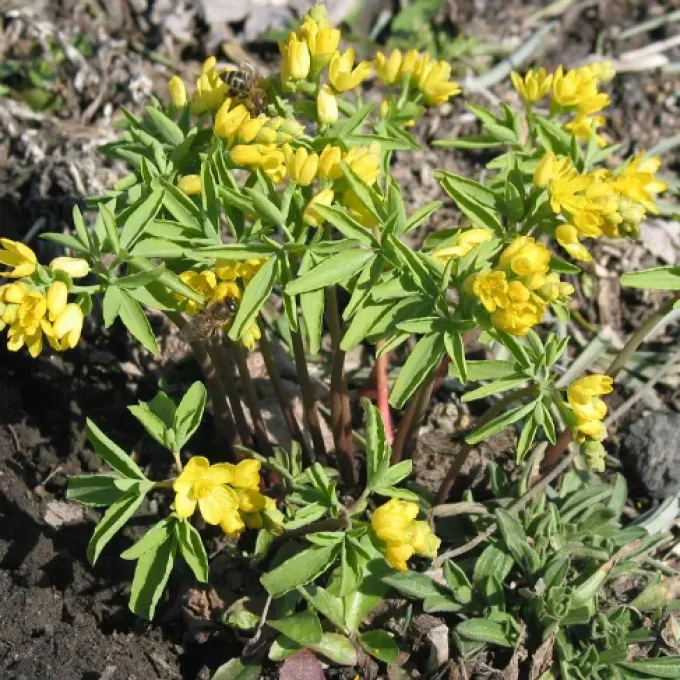
Description
Sowing dates
Gymnospermium scipetarum is a spring ephemeral that requires a cold stratification period for its seeds to germinate effectively.
Sowing should be performed in late spring or autumn, ideally planting fresh seeds directly into outdoor seedbeds to mimic natural cycles.
Germination is typically slow and erratic, often taking an entire winter cycle to produce the first small seedling leaves.
Gardeners should maintain a moist but not waterlogged seedbed to support the development of the dormant embryo during the cold season.
As the plant grows slowly, it is advisable to leave seedlings undisturbed for at least two years before transplanting them to their permanent location.
Growing requirements
This species belongs to the Berberidaceae family and prefers habitats that offer excellent drainage and adequate spring sunlight.
The ideal soil for this crop is a loose, humus-rich substrate that provides sufficient nutrients while allowing for rapid water permeability.
Climatic requirements focus on a distinct seasonal change, as the plant needs to undergo a dormancy period during the hot summer months.
Protection from extreme heat and drought is necessary when the foliage begins to senesce, ensuring the tuberous roots remain healthy underground.
Site selection should focus on areas with semi-shade, which protects the plant from direct scorching sun during its active growth phase.
Main diseases and pests
The primary health issues for Gymnospermium scipetarum are usually related to root rot caused by poor soil drainage or excessive irrigation.
Garden pests such as slugs and snails are frequently attracted to the soft, succulent growth that emerges during the early spring.
Small rodents can pose a severe threat, as they are known to consume the nutrient-rich tubers during the winter dormancy period.
Preventative measures include installing physical barriers against pests and ensuring that the soil is properly amended with grit or sand.
Monitoring the moisture content of the soil throughout the season is essential to preventing fungal pathogens that thrive in stagnant conditions.