
Guzmania hybrid
Guzmania conifera x Guzmania lingulata
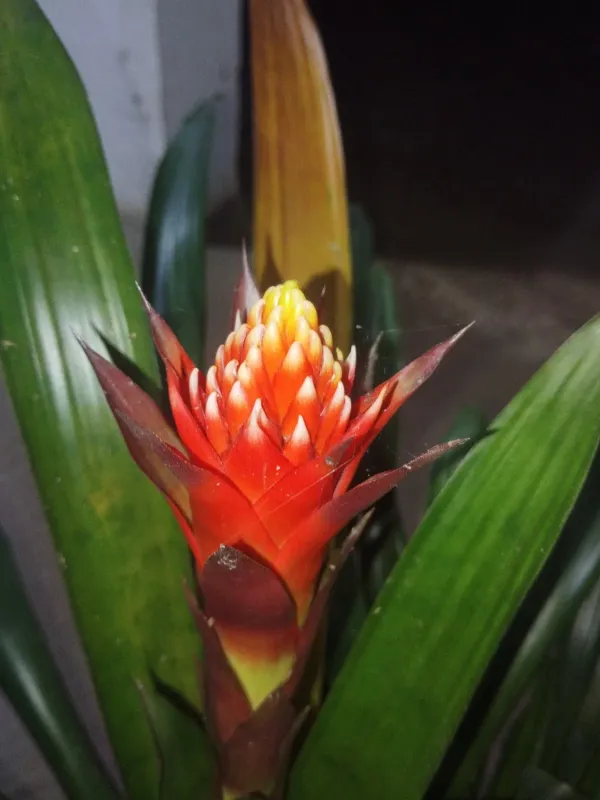
Description
Growing requirements
Guzmania hybrid (Guzmania conifera x Guzmania lingulata) is a prominent member of the Bromeliaceae family. Originating from the tropical rainforests of the Americas, these plants are highly valued in ornamental horticulture for their vibrant, long-lasting floral bracts.
Agronomic success depends on maintaining tropical conditions with temperatures ranging between 20°C and 26°C. Exposure to temperatures below 15°C can cause significant physiological stress and lead to plant decline, making climate control essential.
As epiphytes, these plants require specialized, well-draining substrates. An ideal growth medium consists of pine bark, sphagnum moss, and perlite, ensuring that the root system has access to air while maintaining consistent, moderate moisture levels.
Irrigation management is unique for this crop, as water should be primarily directed into the central leaf rosette. This method mimics the natural absorption process, providing the plant with the nutrients and hydration it needs to support its development.
Lighting requirements are specific: bright, indirect sunlight is necessary for optimal color development of the bracts. Direct solar radiation can cause chlorophyll degradation and leaf scorching, negatively impacting the plant's aesthetic and market value.
Main diseases and pests
The primary pests affecting Guzmania hybrids are mealybugs and spider mites. These pests typically congregate in the leaf axils, necessitating routine scouting and the use of targeted systemic insecticides to ensure clean production.
Root and stem rots are the most common pathological threats, often triggered by over-irrigation and stagnant water within the rosette. High relative humidity combined with poor ventilation creates an ideal environment for pathogenic fungi.
Leaf spot diseases can manifest under suboptimal conditions, characterized by necrotic lesions that spread rapidly across the foliage. Proper sanitation and the removal of infected plant material are critical for preventing outbreaks.
Effective pest and disease management relies on integrated control strategies. This includes monitoring environmental parameters, such as humidity and airflow, and applying chemical treatments only when threshold levels of infestation are exceeded.
Maintaining a balanced nutritional program is vital, as overly aggressive fertilization can weaken plant tissues, making them more susceptible to opportunistic pathogens and pest colonization throughout the growing season.