
Guzmania conifera
Guzmania conifera (André) André ex Mez
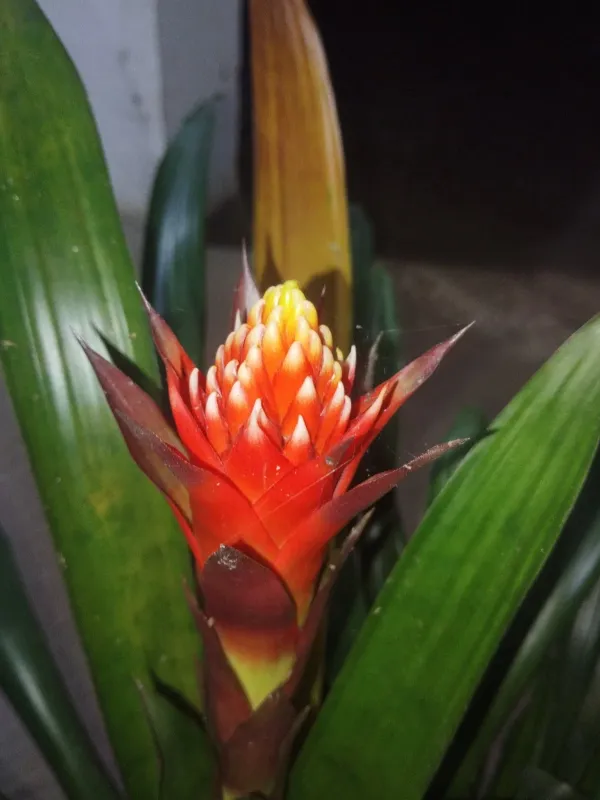
Description
Growing requirements
Guzmania conifera is a distinct species within the Bromeliaceae family. As an epiphytic plant originating from the tropical regions of South America, specifically Peru and Ecuador, it is adapted to high-humidity environments and moderate lighting conditions typical of the forest canopy.
The agronomic management of this culture requires precise temperature control, ideally maintained between 20°C and 26°C. Consistent thermal conditions are vital, as fluctuations can significantly impact the plant's metabolic activity and the development of its unique conical inflorescence.
The substrate requirements for Guzmania conifera demand a specialized epiphytic medium. A well-draining mixture consisting of pine bark, perlite, and sphagnum moss is essential to prevent waterlogging while maintaining the necessary humidity levels around the roots.
Irrigation must be performed directly into the central leaf rosette. This central reservoir acts as the primary organ for water and nutrient uptake. Using filtered, low-mineral water is critical to avoid the accumulation of salts within the leaf tissues, which can be toxic to the plant.
Optimal growth requires bright, indirect sunlight. Exposure to direct intense sun can lead to leaf scorching, while insufficient light levels will negatively affect the plant's structural integrity and the longevity of its vibrant, colorful bracts during the flowering period.
Main diseases and pests
The primary pests affecting Guzmania conifera in commercial settings are mealybugs and scale insects. These organisms often hide within the leaf rosettes, making manual inspection and localized treatment challenging for large-scale production.
Spider mites represent a secondary threat, particularly when air humidity levels drop below optimal thresholds. These pests cause chlorotic spots on leaves, which may eventually lead to premature desiccation and reduced aesthetic value.
Pathogenic fungi, such as Phytophthora and various root rot agents, are significant threats caused by poor substrate drainage. Over-saturation of the potting mix creates anaerobic conditions that favor fungal proliferation, leading to rapid tissue decay.
Effective pest management relies on the integration of systemic insecticides and horticultural oils. It is essential to ensure that chemical treatments are applied with caution to avoid damaging the plant's delicate tissues inside the central cup.
Long-term prevention of disease involves maintaining high standards of greenhouse sanitation and ensuring adequate air circulation. Removing stagnant water from the growing environment and monitoring substrate moisture are key strategies for sustaining healthy plant populations.