
Gunnera strigosa
Gunnera strigosa
Description
Growing requirements
Gunnera strigosa is a distinct perennial herb belonging to the Gunneraceae family. Native to the rugged landscapes of New Zealand, this species is well-adapted to high-moisture environments, typically inhabiting stream banks and damp forest clearings in its natural range.
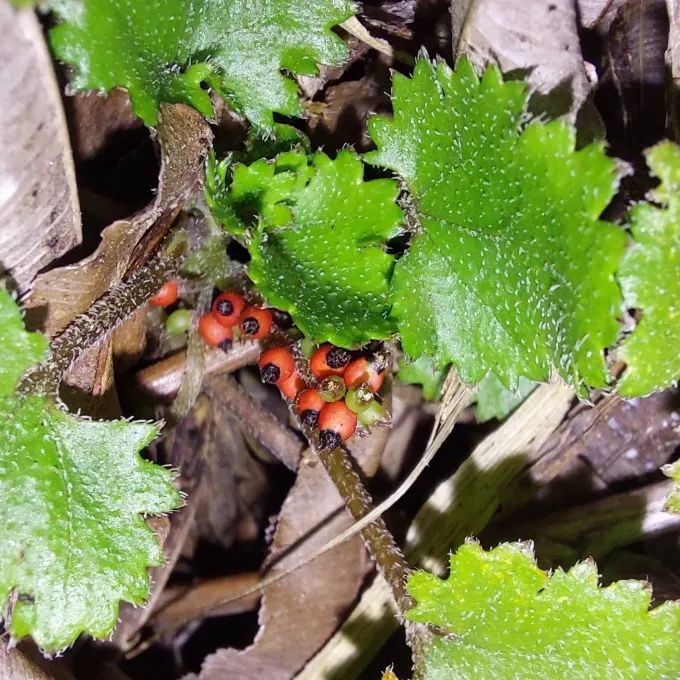
Botanically, the plant is distinguished by its creeping rhizomes and distinct foliage covered in bristly, stiff hairs, which gives it a unique tactile texture. Unlike its larger cousins, this species maintains a more compact, ground-hugging habit, making it an interesting choice for specific landscape settings.
Climate requirements focus on high atmospheric humidity and consistently moist, cool conditions. It thrives in locations that are protected from intense, direct sunlight, which can easily scorch the foliage, and prefers sheltered spots near water features.
Soil management is critical for the success of this crop. The ideal growing medium should be rich in humus, well-draining yet moisture-retentive, and slightly acidic. Regular application of organic matter helps maintain soil fertility and structure throughout the growing season.
Agricultural techniques involve careful winter protection, as the plant is sensitive to frost. In regions with harsh winters, rhizomes must be mulched heavily or lifted and stored in a cool, frost-free greenhouse to ensure survival until the following spring season.
Main diseases and pests
The primary threats include slugs and snails, which are attracted to the moist environment and succulent leaves. Additionally, poor drainage often leads to root rot pathogens, while overly dry air during the summer months can lead to desiccation and foliage necrosis.