
Giant rhubarb
Gunnera manicata
Description
Sowing dates
Propagation of Gunnera manicata is generally performed through division of the rhizomes in early spring or by sowing seeds that require a cold stratification process.
Seeds should be sown in moist, high-quality compost and kept in a warm environment to facilitate consistent germination rates over several weeks.
Vegetative division involves cutting sections of the mature rhizome, ensuring each piece contains at least one healthy bud to initiate new growth.
Seedlings and young divisions must be hardened off carefully before being transplanted into their permanent outdoor location to avoid transplant shock.
Spring planting is essential to give the plant the entire growing season to establish its roots before the arrival of the cold winter temperatures.
Growing requirements
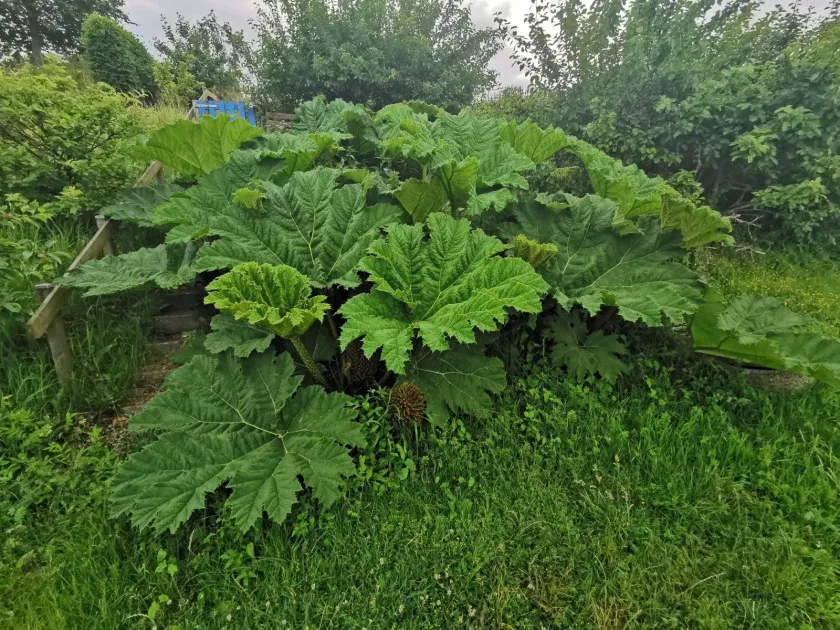
Gunnera manicata, a member of the Gunneraceae family, is native to the tropical wetlands of Brazil and is famous for its immense, umbrella-like leaves.
The plant thrives in deep, rich, moisture-retentive soils and performs best when positioned near the edges of ponds or streams with consistent moisture.
Site selection is critical: it requires a location protected from harsh winds, which can easily tear the massive foliage and reduce the plant's aesthetic appeal.
Ample space is necessary for the plant to reach its full potential, as individual specimens can spread several meters in diameter if given optimal conditions.
In temperate climates, the rhizomes must be protected from deep freezing; applying a thick layer of mulch or covering the crown is a vital maintenance step.
Main diseases and pests
The primary pests affecting this crop include slugs and snails, which can cause significant damage to the large, soft leaves during the early growth stages.
Root rot is a potential risk if the soil becomes compacted and waterlogged for extended periods, despite the plant's natural preference for water.
In drier microclimates, spider mites can become an issue, particularly during hot summers, leading to discoloration and necrosis of the leaf margins.
Cultural control, such as removing debris and creating unfavorable conditions for mollusks, remains the most effective management strategy for home growers.
Regular inspection of the undersides of the leaves helps in the early detection of infestations, allowing for timely intervention with appropriate treatments.