
Gunnera flavida
Gunnera flavida
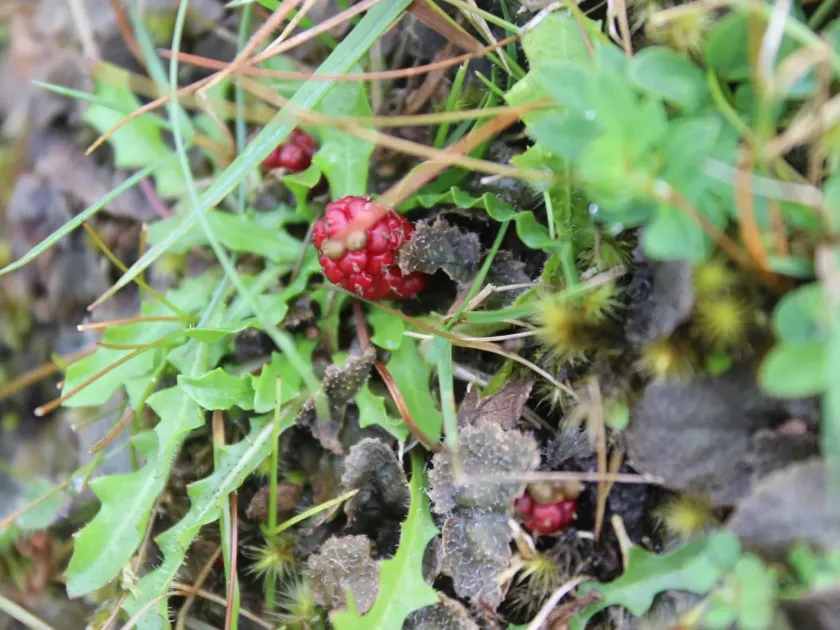
Description
Growing requirements
Gunnera flavida is a fascinating perennial herb belonging to the Gunneraceae family. Originating from the humid regions of New Zealand, this species is highly regarded in horticultural circles for its unique structural presence and adaptability to specialized garden environments.
The plant thrives in consistently moist, cool environments. In terms of location, it performs best when planted in partial shade, as the direct afternoon sun can cause scorched foliage and rapid dehydration of the root system during the peak summer heat.
Regarding soil requirements, Gunnera flavida demands a nutrient-rich, humus-heavy substrate that retains moisture effectively. Incorporating well-rotted organic matter or leaf mold is essential to maintain the soil structure and provide the necessary acidity levels.
Water management is the most critical aspect of its care. The soil should remain damp at all times, but not waterlogged. Placing the plant near a natural stream or an artificial garden pond is often the best strategy to meet its hydration requirements.
During the dormant season, the plant requires protection from severe frost. A thick layer of organic mulch, such as wood chips or dry leaves, should be applied around the base to insulate the rhizome against freezing temperatures and sudden thaws.
Main diseases and pests
Pest management primarily involves monitoring for slugs and snails. These mollusks are particularly drawn to the soft, succulent foliage and stems of Gunnera, requiring the use of eco-friendly baits or physical barriers to protect the younger leaves.
Root rot is a major threat, particularly in soils with poor drainage. If the crown of the plant stays too wet during the winter months, the rhizome can decay rapidly, leading to the total loss of the specimen in the following growing season.
Fungal leaf spot diseases can occur if air circulation is insufficient. To mitigate this risk, it is important to provide enough space between plants and avoid overhead watering that keeps the leaves damp for extended periods during cloudy weather.
Bacterial pathogens may occasionally enter through mechanical wounds, causing dark lesions on the foliage. Proper sanitation, including the removal of dead or decaying plant matter, is essential for maintaining overall vigor and preventing disease spread.
Regular inspection is recommended during the growing season. Early detection of any irregular spots or signs of wilting allows for prompt intervention, which is necessary to ensure the long-term health and ornamental quality of this exotic perennial.