
Gunnera magellanica
Gunnera magellanica
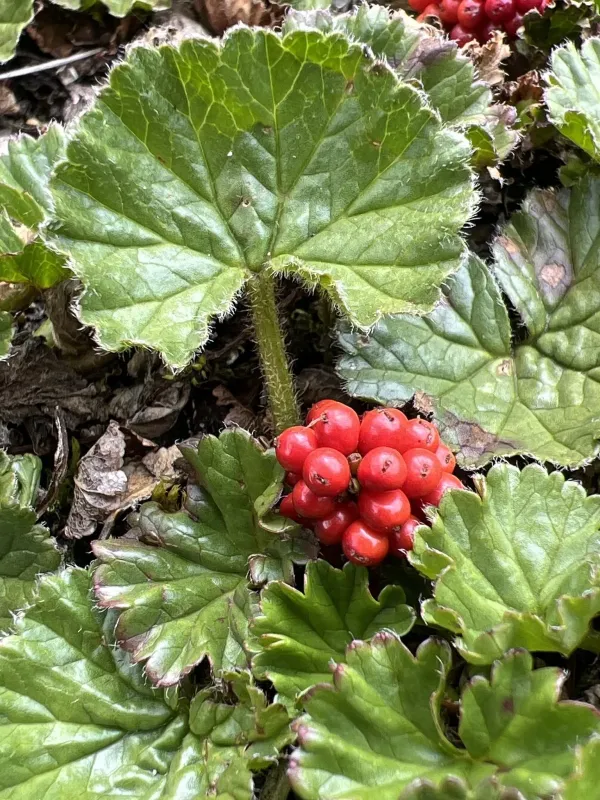
Description
Growing requirements
Gunnera magellanica is a distinctive, low-growing herbaceous perennial plant belonging to the Gunneraceae family. Unlike its giant relatives, this species acts as a prostrate groundcover, creating dense, carpet-like mats along the ground surface.
The plant originates from the cool, damp regions of South America, specifically Patagonia and the Falkland Islands. Its evolutionary adaptation to high-moisture environments makes it highly suitable for bog gardens or pond margins.
Successful cultivation requires constant soil moisture; the species is notoriously intolerant of drought. Providing a consistently wet, water-retentive growing medium is the most important factor in its maintenance.
The plant thrives in partial shade where it is protected from intense, direct solar radiation. High humidity levels combined with filtered light encourage the development of lush, healthy foliage characteristic of this species.
Soil conditions should be rich in organic matter with a slightly acidic pH level. A loose, well-draining yet moisture-holding soil mix, typically consisting of peat and compost, is recommended to support root development.
Main diseases and pests
Slugs and snails pose the greatest threat to Gunnera magellanica, as they can rapidly consume the succulent leaves. Implementing integrated pest management strategies, such as physical barriers or slug bait, is often necessary.
Fungal pathogens and root rot may occur if the soil remains stagnant or poorly aerated, especially during warmer periods. Ensuring that the ground remains moist but not waterlogged is essential for disease prevention.
Winter hardiness is a concern in regions with severe frosts. Applying a layer of organic mulch in late autumn provides necessary insulation for the crown of the plant, preventing freeze-thaw damage.
Aphids and other common garden pests are generally less of a problem, but they can stress the plant if it is already weakened by poor growing conditions. Regular monitoring of the foliage ensures early detection of potential issues.
Improper soil pH can result in nutrient deficiency symptoms, such as leaf chlorosis. Periodic testing and the application of ericaceous fertilizers can help maintain the vibrant green color and vigorous growth of the plant.