
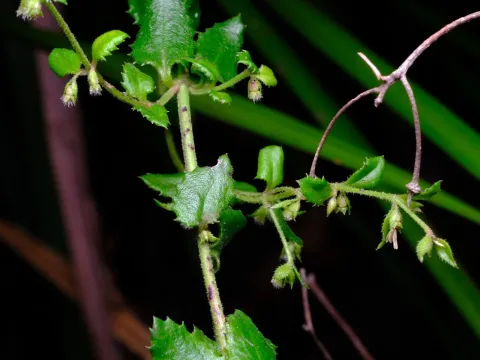
Gonocarpus
Gonocarpus
Gonocarpus is a genus of perennial herbs and subshrubs belonging to the Haloragaceae family. Native primarily to Australia, New Zealand, and parts of Southeast Asia, these plants are known for their resilience in various native habitats, ranging from wetlands to more arid terrain.
What the section contains

Gonocarpus
The botanical structure of Gonocarpus includes simple, often toothed leaves and small, inconspicuous flowers arranged in spike-like racemes. While not a primary crop for food or industrial fiber, its aesthetic qualities make it a subject of interest for horticultural study and garden design.
Regarding soil requirements, Gonocarpus prefers well-drained, porous media that prevents root rot. It performs best in soils with a slightly acidic to neutral pH, where water can pass through easily without waterlogging the root collar during the wet season.
Climatic adaptability is a hallmark of many species within the genus. They typically thrive in moderate temperatures and require consistent light exposure. While they can handle some shade, optimal growth is observed when the plants receive bright, filtered light for the majority of the day.
Management of the plant mainly involves pruning to maintain its form and monitoring for moisture levels. Because it is not a traditional field crop, standard agricultural practices focus on greenhouse propagation and nursery management, ensuring clean, disease-free seedlings for planting.