
Creeping raspwort
Gonocarpus micranthus
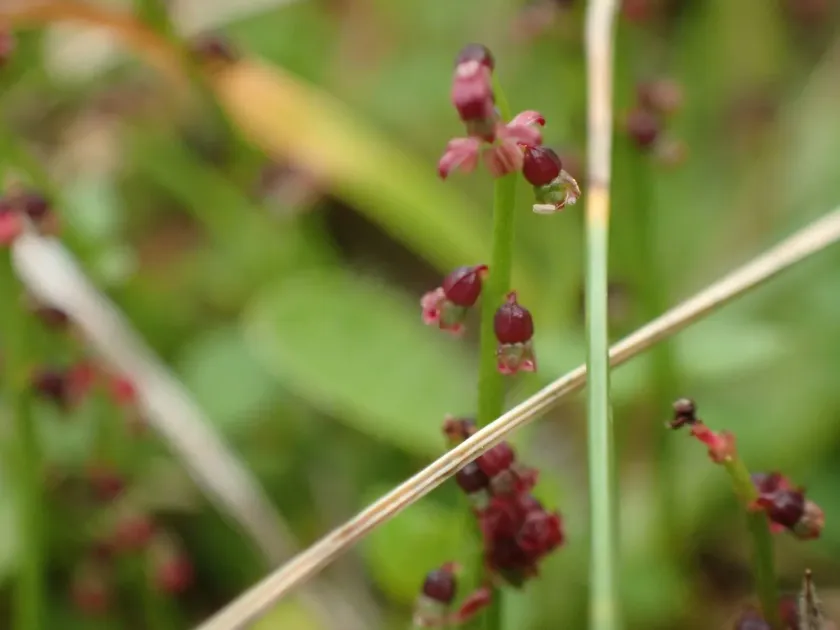
Description
Growing requirements
Creeping raspwort (Gonocarpus micranthus) is a herbaceous perennial plant belonging to the family Haloragaceae. While not a conventional agricultural crop, it occupies a specific niche in ecological studies and rare botanical conservation projects.
The plant is native to various regions across East and Southeast Asia, as well as parts of Australia and New Zealand. It is typically found in swampy areas, wetlands, along stream banks, and in humid grasslands where water retention is high.
Botanically, it features slender stems and tiny leaves that often take on reddish or bronze hues. The small, inconspicuous flowers are arranged in terminal racemes. Its growth habit is typically prostrate or ascending, helping it cover damp ground surfaces effectively.
To thrive, this species requires environments with consistent high moisture and nutrient-poor, acidic soils. It lacks the competitive vigor of traditional crops, making it susceptible to competition from more aggressive weeds in managed landscape settings.
Agricultural interest in this plant is generally limited to ecological restoration or specialized horticultural displays. No major commercial cultivation techniques have been developed, as the plant serves primarily as an indicator of healthy, wet ecosystem conditions.