
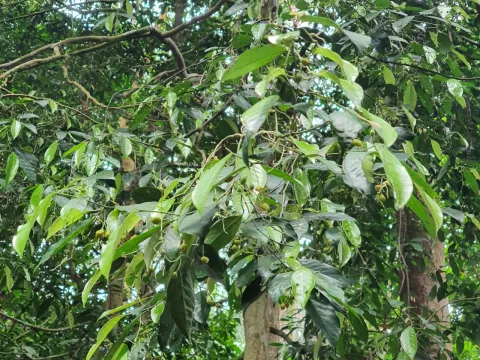
Gironniera
Gironniera
Gironniera is a genus of trees and shrubs belonging to the Cannabaceae family. These evergreen plants are native to the tropical regions of Southeast Asia, where they form an integral part of the local forest structure and biodiversity.
What the section contains


Gironniera
The cultivation of Gironniera requires a climate characterized by high humidity and consistent temperatures throughout the year. It thrives in tropical rainforest zones where the annual rainfall is sufficient to support continuous vegetative growth.
Soil requirements for Gironniera include deep, well-drained substrates rich in organic matter. While the plants are adapted to moisture, they do not tolerate waterlogged soil, which can lead to rapid root degradation and overall decline in plant health.
In terms of agricultural management, light control is essential. Younger Gironniera trees often require partial shade, while mature specimens can tolerate more sunlight as their crown develops and establishes a protective canopy over the soil surface.
The economic significance of the genus lies mainly in its timber, which is used for construction and woodworking due to its notable durability. The wood's structural properties make it a viable resource for local manufacturing and rural infrastructural projects.
The primary diseases affecting Gironniera are fungal pathogens, specifically those causing root rot and stem canker. These conditions are typically exacerbated by poor soil aeration or excessive moisture accumulation around the base of the trunk.
Pest management focuses on protecting the trees from wood-boring beetles and defoliating insects. Regular inspection of the bark and foliage is necessary to detect early signs of infestation and to apply integrated pest management strategies efficiently.