
Gironniera subaequalis
Gironniera subaequalis
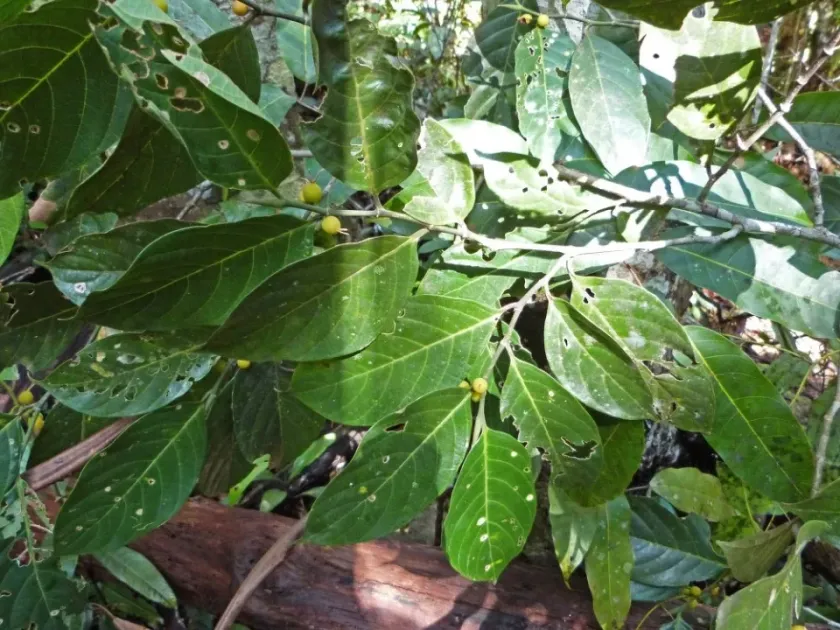
Description
Growing requirements
Gironniera subaequalis is a perennial woody plant belonging to the Cannabaceae family, widely distributed across the tropical landscapes of Southeast Asia.
The species thrives in warm, humid tropical environments characterized by high annual precipitation levels and consistent temperatures throughout the year.
It prefers deep, well-drained soils, often thriving in alluvial plains or along riverbanks where soil fertility and moisture levels are optimized for growth.
The plant exhibits a remarkable ability to adapt to varying light conditions, demonstrating shade tolerance during its initial growth phases in the forest understory.
Effective establishment requires protection from extreme wind and adequate space for the canopy to develop as the tree transitions into the mid-story of a forest ecosystem.
Yield
The economic utilization of Gironniera subaequalis is primarily focused on timber extraction, serving local communities for construction and tool-making purposes.
The wood is valued for its moderate density and durability, making it suitable for structural timber, framework for rural homes, and various artisanal crafts.
Bark fibers have been historically utilized for the production of cordage and natural textiles, highlighting the plant's role in traditional subsistence economies.
While not a mainstream agricultural crop, it contributes significantly to the local economy through sustainable harvest cycles within agroforestry systems.
Strategic management of these trees helps maintain forest productivity while ensuring a steady supply of essential wood resources for regional infrastructure.
Main diseases and pests
The primary threat to Gironniera subaequalis remains habitat loss due to large-scale deforestation for industrial agricultural plantations, such as oil palm.
Fungal infections of the trunk, typically occurring when moisture is excessive or the bark is damaged, present a significant risk to overall tree health.
Wood-boring insects can compromise the structural integrity of the timber, significantly devaluing the product and weakening affected trees over time.
Alterations in local water tables due to irrigation projects or dam construction often lead to decreased growth vigor and higher mortality rates for this species.
The loss of connectivity between forest fragments restricts seed dispersal and pollinators, which is critical for maintaining long-term population stability.