
Gironniera parvifolia
Gironniera parvifolia
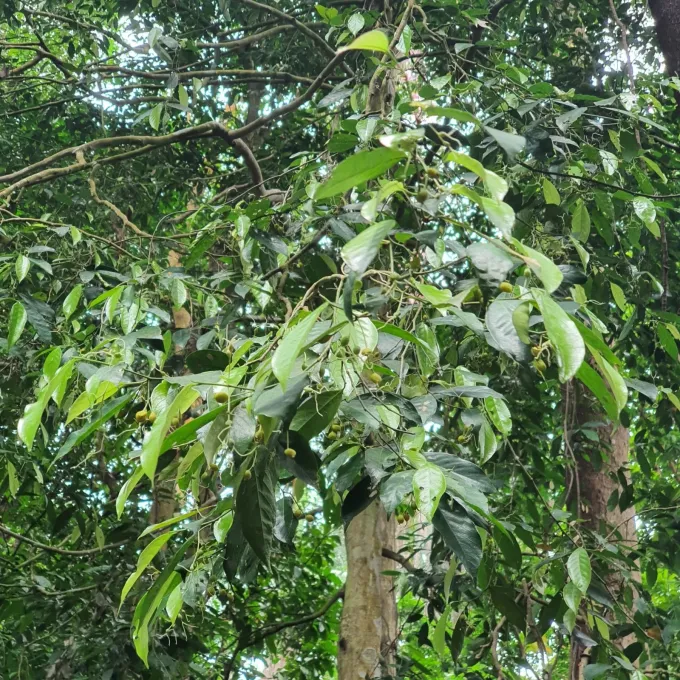
Description
Growing requirements
Gironniera parvifolia is a tropical tree species belonging to the Cannabaceae family. It is native to the rainforests of Southeast Asia, thriving in regions such as Malaysia, Indonesia, and the Philippines where biodiversity is high.
The tree requires a humid tropical climate to flourish. Temperatures ranging between 22°C and 30°C and significant annual rainfall are essential for its physiological development. It is rarely found in areas with prolonged dry seasons, as it lacks adaptations for severe drought.
Regarding soil preferences, this species demands well-drained, nutrient-rich soils. It performs best in deep loamy substrates that allow for extensive root development. Waterlogging must be strictly avoided, as the root system is sensitive to oxygen deprivation caused by standing water.
Light management is a crucial aspect of silviculture for this species. While seedlings are shade-tolerant and capable of surviving under the forest canopy, maturing trees require increased sunlight exposure to sustain growth rates and promote biomass accumulation.
Basic agronomic practices for cultivation include mulching and nutrient management in the early years. Regular inspections are necessary to identify and mitigate competition from aggressive weed species that might hinder the saplings' establishment.
Harvesting
The primary economic value of Gironniera parvifolia lies in its timber. The wood is recognized for its versatility, being utilized in local construction, the production of plywood, and the creation of various household tools and agricultural equipment.
Harvesting is typically conducted through sustainable selective logging techniques. This approach ensures that the forest structure remains intact while providing a steady supply of timber for the market, balancing industrial needs with ecological conservation.
Apart from timber, the species has historical significance in traditional medicine. Various parts of the plant, including leaves and bark, have been documented for their potential use in preparing herbal remedies, though commercial exploitation is primarily forestry-oriented.
The yield of timber is influenced by long-term management strategies. Due to the tree's growth cycle, it is best suited for long-term agroforestry projects that emphasize quality over rapid production, ensuring high-value wood for furniture and interior finishing.
Post-harvest treatment involves drying and professional seasoning, which are critical steps to maximize the wood's durability. These processes ensure that the final product remains stable, resisting warping and environmental stresses in tropical climates.