
Deep-veined nettletree
Celtis paniculata
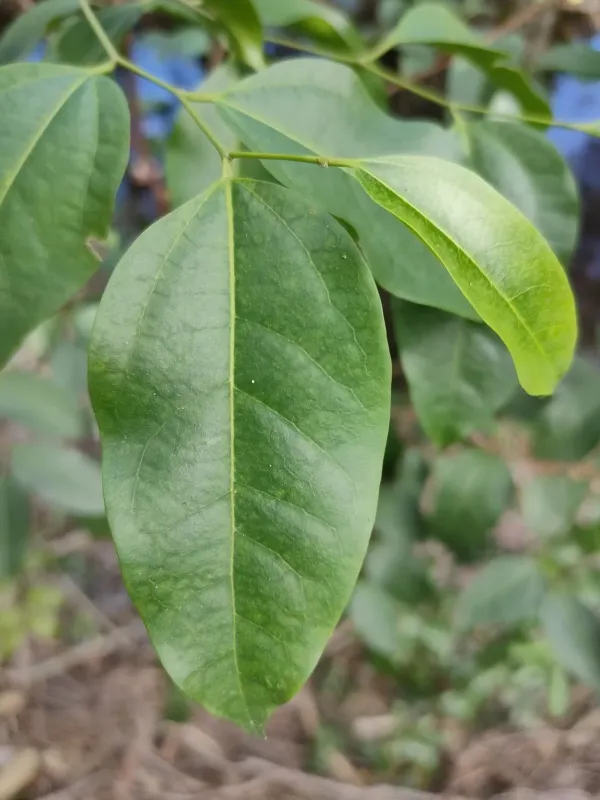
Description
Growing requirements
The Deep-veined nettletree (Celtis paniculata) is an evergreen or semi-evergreen tree belonging to the Cannabaceae family. It is known for its robust stature and its ability to form a dense, spreading canopy under favorable environmental conditions.
Native to regions of East Asia, including Japan and various islands of the Indonesian archipelago, this species thrives in tropical and subtropical climates. It is best suited for cultivation in regions where temperatures remain moderate throughout the year.
This tree demands well-drained, nutrient-rich soil to thrive. While it can adapt to various soil types, avoiding waterlogged conditions is essential, as the roots are susceptible to decay if kept in constantly saturated substrate.
Light requirements for Celtis paniculata are high; it prefers full sun exposure to maintain its vigor and leaf density. While young saplings can tolerate partial shade, the tree reaches its full potential when grown in open areas.
Agrotechnical maintenance includes regular irrigation during dry seasons and the application of balanced organic fertilizers. Pruning is recommended during the dormant period to manage its size and ensure structural integrity against strong winds.
Yield
The primary agricultural and economic utility of the Deep-veined nettletree lies in its timber production. The wood is recognized for its durability and flexibility, making it a valuable resource for cabinetry and tool handles.
In landscaping, this tree is highly valued for its air-purifying capabilities and its effectiveness in mitigating noise pollution. It serves as an excellent canopy tree for parks, large gardens, and urban green belts.
The tree plays a significant role in environmental conservation by stabilizing loose soils on hillsides. Its deep root system prevents erosion, which makes it an ideal choice for restoring degraded landscapes.
Wildlife support is another key aspect of its utility. The small drupes produced by the tree serve as a vital food source for local bird populations, fostering biodiversity within its growing area.
Furthermore, it is frequently used in research for its potential in breeding programs aimed at improving the hardiness of other Celtis species used in modern commercial forestry.
Main diseases and pests
Like many trees in its genus, Celtis paniculata can be susceptible to fungal infections if planted in areas with poor ventilation or stagnant moisture. Regular inspection for powdery mildew is a standard practice for maintainers.
Insect pests such as aphids and scale insects occasionally attack the tender leaves of young trees. Integrated pest management strategies, including the use of neem oil or targeted insecticides, are effective in controlling these outbreaks.
Mechanical damage to the trunk often serves as a point of entry for secondary pathogens. Care must be taken during routine maintenance to avoid bruising the bark with heavy equipment or improper pruning tools.
Winter injury can occur in areas that experience sudden temperature drops, potentially causing bark splitting on younger specimens. Providing adequate soil mulching helps in maintaining root temperature stability.
Despite these potential threats, the Deep-veined nettletree is considered a resilient species with relatively low maintenance requirements when placed in an environment that matches its natural habitat needs.