
Gaultheria yunnanensis
Gaultheria yunnanensis
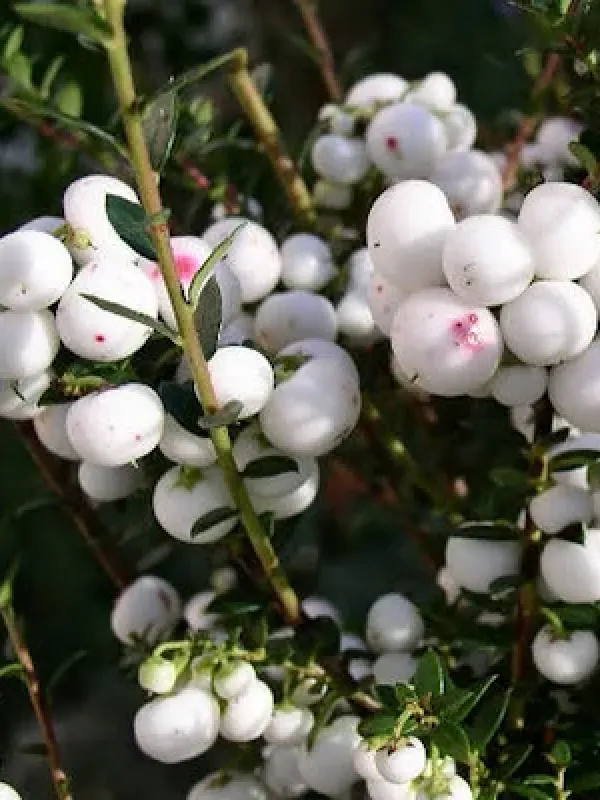
Description
Sowing dates
Gaultheria yunnanensis is an evergreen shrub belonging to the Ericaceae family, widely recognized for its ornamental value. Propagation is typically achieved through seed germination in controlled nursery conditions.
Seeds should be sown in late winter or early spring. A crucial step for success is cold stratification, keeping the seeds at temperatures between 2 and 5 degrees Celsius for several weeks prior to sowing.
The ideal germination substrate consists of a blend of peat moss and perlite to ensure optimal drainage. Seeds must be surface-sown as they require light exposure to trigger the germination process.
Consistency in humidity is vital during the early growth stages. Covering the nursery flats with clear plastic helps maintain the necessary moisture levels until the seedlings reach a transplantable size.
Vegetative propagation via semi-hardwood cuttings is an alternative method. These cuttings should be taken in mid-summer and placed in a misting propagation unit with bottom heat to promote root development.
Growing requirements
Like many members of the Ericaceae family, this species requires highly acidic soil. A pH level between 4.5 and 5.5 is essential for nutrient uptake and long-term plant health.
The species thrives in partial shade. Excessive exposure to direct sunlight can cause scorching of the foliage, so positioning in the understory of larger trees is often recommended for best results.
Soil structure should be well-drained but rich in organic matter. Incorporating shredded pine bark or pine needles into the planting hole helps mimic the natural forest floor conditions the plant prefers.
Watering requirements are consistent year-round. While the plant appreciates moisture, it cannot tolerate waterlogged roots, as this quickly leads to hypoxia and the development of root pathogens.
Fertilization should be limited to acid-loving plant formulas. Avoid any products containing calcium or lime, as these additives can alter the soil pH and cause immediate chlorosis in the shrub.
Main diseases and pests
Fungal diseases are the primary threat, particularly Phytophthora root rot. This typically occurs in poorly drained soils where stagnant water promotes the growth of water molds.
Leaf spot pathogens can also impact the aesthetics of the plant during periods of high humidity. Proper air circulation and removing fallen leaves from the base of the shrub can significantly reduce disease pressure.
Pests such as scale insects and spider mites may infest the plant during hot and dry spells. These pests weaken the shrub by feeding on sap, often leading to secondary fungal infections.
Integrated pest management, including the use of horticultural oils or insecticidal soaps, is the preferred method for controlling outbreaks while minimizing the impact on the environment.
Monitoring the plant for signs of nutrient deficiency, such as yellowing leaves with green veins, helps identify soil alkalinity issues early, allowing for quick pH correction before the shrub declines.