
Gaultheria adenothrix
Gaultheria adenothrix
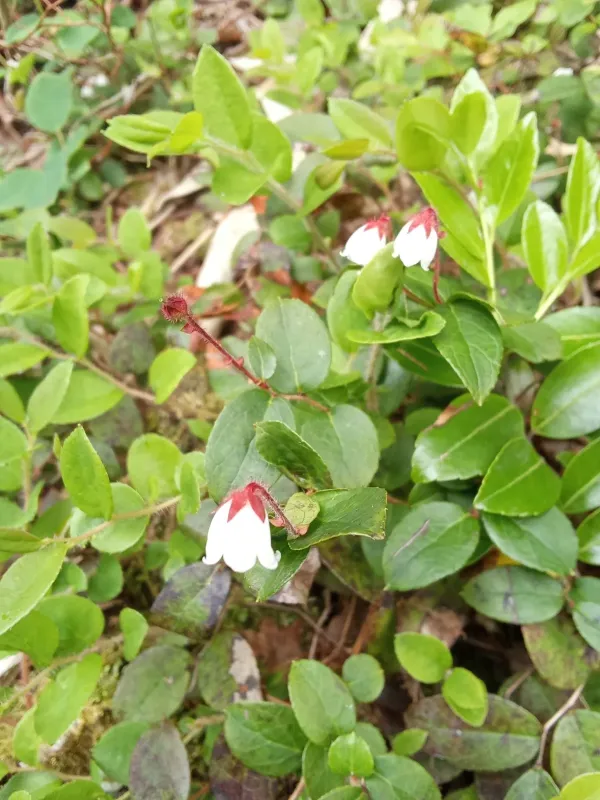
Description
Sowing dates
Propagation of Gaultheria adenothrix is primarily achieved through stem cuttings taken in late summer. This vegetative method ensures that the young plants inherit the desirable traits of the parent shrub while establishing roots effectively.
Seed propagation is possible but involves a lengthy cold stratification process, often requiring several months of exposure to cool temperatures to break dormancy. Seeds should be sown in a moist, peaty substrate that mimics natural conditions.
When planting in the garden, timing is critical, with spring being the preferred season once the risk of frost has passed. Early planting allows the shrub to acclimate to the environment before the stress of summer temperatures.
Proper spacing between individuals is necessary to maintain air circulation and prevent overcrowding. A minimum distance of 30-40 cm is recommended to allow the foliage to develop fully without shading or competing with neighbors.
The site preparation involves creating a loose, well-draining soil mix enriched with acidic components like peat moss or coniferous bark. This foundation is essential for successful establishment and long-term health of the shrub.
Growing requirements
As a member of the Ericaceae family, Gaultheria adenothrix originates from mountainous regions in Japan and thrives in temperate, humid environments. It requires specific soil chemistry, specifically low pH levels to flourish.
This species prefers partial shade or dappled light conditions. Intense midday sun can scorch the foliage, while complete darkness may lead to poor growth and reduced flowering, making the edge of a woodland border an ideal location.
Maintaining consistent soil moisture is vital; however, drainage is equally important to avoid waterlogged conditions which are fatal to this shrub. Mulching with pine needles or similar acidic material helps retain moisture while keeping the root zone cool.
During winter, the plant benefits from a layer of mulch or protective covers, particularly in areas with fluctuating freeze-thaw cycles. This protection helps insulate the shallow root system from extreme temperature drops.
Fertilization should be limited to products specifically formulated for acid-loving plants. Avoid any calcium-based additives or standard garden fertilizers that may raise the soil pH, as the plant is highly sensitive to alkaline environments.
Main diseases and pests
Fungal pathogens often pose a significant challenge, especially in stagnant air or excessively humid conditions. Leaf spot diseases are common, appearing as dark patches on the foliage that require immediate fungicide treatment to halt spread.
Spider mites are the most prominent pest, particularly during periods of low humidity. These pests thrive in dry environments and can quickly weaken the plant, requiring the use of systemic acaricides for effective management.
Root rot, driven by poor drainage, remains the most frequent cause of plant failure in home gardens. Identifying wilting foliage early can sometimes allow for successful intervention by adjusting watering practices and applying soil fungicides.
Chlorosis, indicated by yellowing leaves with green veins, typically points to iron deficiency caused by high pH levels. Corrective measures include amending the soil acidity or applying foliar iron supplements to restore chlorophyll production.
Sanitation is key to preventing reoccurring issues. Regularly removing dead leaves, thinning branches to improve ventilation, and avoiding over-watering contribute significantly to maintaining a disease-free garden environment.