
Gaultheria antipoda
Gaultheria antipoda
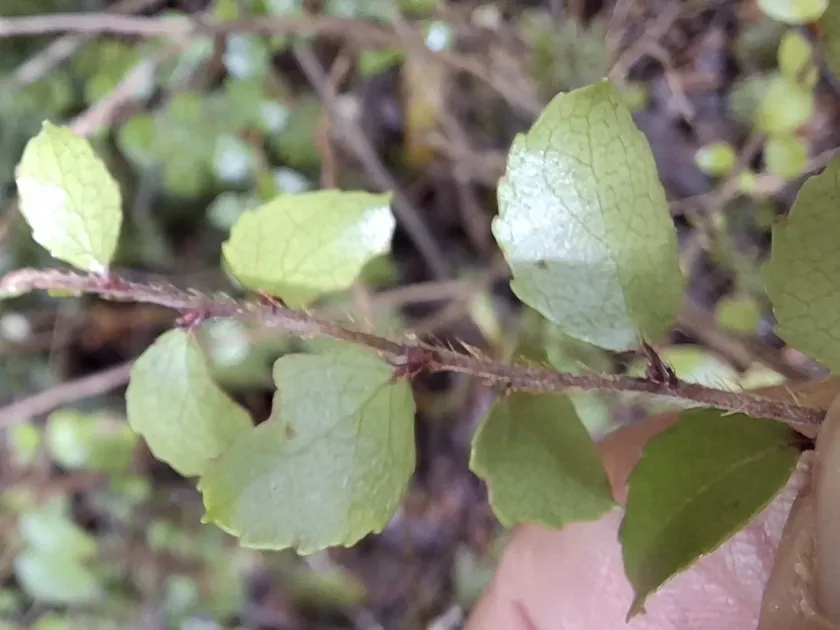
Description
Sowing dates
Propagation of Gaultheria antipoda is most effectively achieved through vegetative methods, specifically stem cuttings. The ideal time to take semi-hardwood cuttings is in late summer, which allows enough time for the plant to develop a healthy root system before the onset of dormancy.
For seed propagation, sowing should be done in winter using a well-draining, highly acidic substrate composed primarily of peat moss and perlite. Seeds require a period of cold stratification to break dormancy, ensuring a more uniform germination rate in the spring.
Young plants should be transplanted to their permanent location once the risk of frost has passed. Selecting a site with dappled shade is crucial, as intense midday sun can easily scorch the delicate foliage and damage the plant’s moisture balance.
When planting, ensure the root ball is level with the soil surface to prevent stem rot. A spacing of 30–50 centimeters is recommended for group plantings, which encourages the formation of a dense, attractive groundcover or border.
During the establishment phase, consistent moisture is essential. Avoid letting the substrate dry out completely, but ensure adequate drainage to prevent waterlogging, which is a common cause of failure in newly planted Gaultheria.
Growing requirements
As a member of the Ericaceae family, Gaultheria antipoda strictly requires acidic soil. A pH range between 4.5 and 5.5 is vital for nutrient uptake; values outside this range will lead to chlorosis and stunted growth, eventually causing the plant to decline.
Originating from New Zealand, this species thrives in cool, humid environments. It is not well-suited to hot, arid climates and performs best in locations that mimic the moist, shaded conditions of its native forest understory.
The soil structure must be loose and aerated. An ideal mix includes decomposed conifer needles, peat moss, and organic bark, providing the necessary acidity and drainage while retaining just enough moisture to sustain the plant’s shallow root system.
Temperatures should remain moderate throughout the growing season. The plant is sensitive to both extreme heat and deep frost. Mulching with acidic materials like pine bark or sawdust helps regulate soil temperature and conserve moisture during the summer months.
Watering must be done with rainwater or acidified water. Tap water, often high in dissolved minerals and lime, will quickly raise the soil pH, rendering it unsuitable for the plant and causing long-term damage to its health and vigor.
Yield
Gaultheria antipoda is primarily valued for its ornamental appeal, characterized by its distinctive foliage and attractive fleshy fruit. The berries, which are technically fleshy calyces, provide a unique aesthetic to the garden, especially in late autumn.
Fruit production typically begins 3 to 4 years after planting. While the berries are edible, their main purpose in many landscapes is decorative, providing a bright splash of color when the plant is positioned in rock gardens or heather beds.
To maximize yields and overall plant health, annual pruning is recommended. Removing deadwood and trimming back straggly stems stimulates fresh, vigorous growth, which is essential for ensuring that the plant develops healthy flower buds for the next season.
The berries can be harvested once fully ripe, though they are often left on the plant to persist into early winter, significantly extending the ornamental value of the garden during the colder months when little else is in color.
Proper pollination is key for consistent yields. If grown in a greenhouse or restricted environment, manual pollination using a soft brush may be necessary to increase fruit set, as the plant benefits significantly from cross-pollination.
Main diseases and pests
Fungal pathogens are the primary concern for Gaultheria, particularly under conditions of high humidity and poor air circulation. Phytophthora and Pythium root rots can be devastating if the soil remains waterlogged for extended periods.
Pests like spider mites and scale insects are common problems, especially in indoor or greenhouse settings where the atmosphere may become too dry. Early detection and maintaining proper humidity levels are the best defenses against these infestations.
- Phytophthora root rot caused by excessive moisture.
- Powdery mildew in stagnant air environments.
- Fungal leaf spots that affect visual quality.
- Chlorosis due to improper soil pH or iron deficiency.
Management of these threats should focus on cultural practices, such as proper spacing and avoiding overhead irrigation that leaves foliage wet for long periods. Fungicides should be used as a last resort and with caution.
During the winter, protection from drying winds and harsh frost is beneficial. A thick layer of pine bark mulch protects the shallow roots and prevents the soil from heaving, keeping the plant healthy until spring growth begins.