
Gaultheria antarctica
Gaultheria antarctica
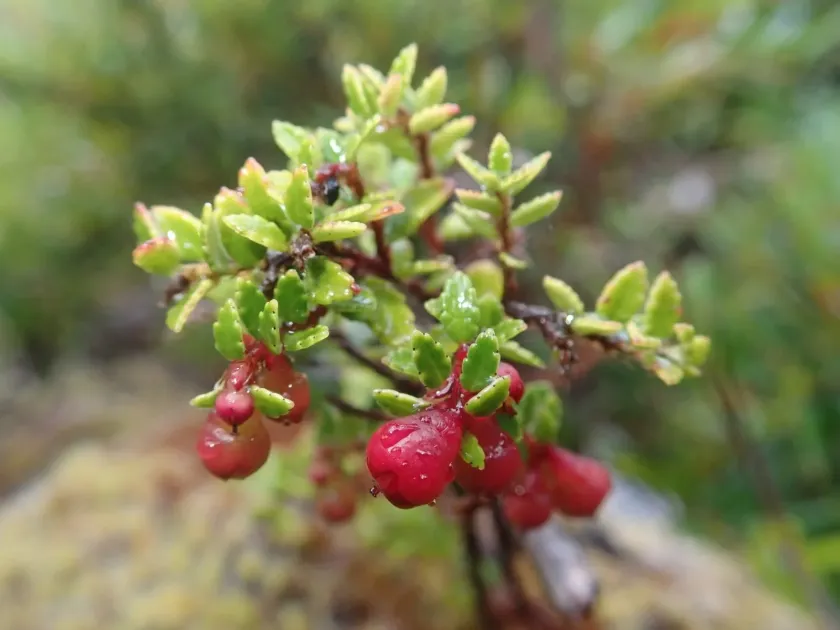
Description
Growing requirements
Gaultheria antarctica is a low-growing evergreen shrub that belongs to the Ericaceae family. Native to the southern regions of South America, this plant is well-adapted to cool, maritime environments and serves as both a botanical interest and an agricultural specialty crop.
The cultivation of this species strictly requires acidic soil conditions, ideally within a pH range of 4.5 to 5.5. Growers should utilize well-draining peat-based substrates or organic-rich sandy soils to prevent waterlogging, which is a common cause of mortality in this genus.
In terms of light exposure, Gaultheria antarctica performs best in partial shade. Excessive exposure to intense direct sunlight can lead to chlorosis and leaf desiccation, necessitating the use of shade cloths in regions with high solar radiation during the summer months.
The crop requires consistent soil moisture levels to maintain optimal growth rates. Reliable irrigation systems are essential, particularly during the flowering and fruit development stages, to ensure high quality and prevent fruit drop caused by physiological stress.
Agronomic maintenance involves regular mulching with pine needles or acidic organic matter. This practice effectively suppresses weed competition, helps maintain soil acidity, and protects the delicate fibrous root system from temperature fluctuations and extreme drying.
Harvesting
Economic utilization of Gaultheria antarctica includes the harvest of its characteristic berries for gourmet culinary applications, as well as its propagation for the ornamental nursery trade, where it is highly valued for its ground-covering capabilities.