
Gaultheria cuneata
Gaultheria cuneata
Description
Growing requirements
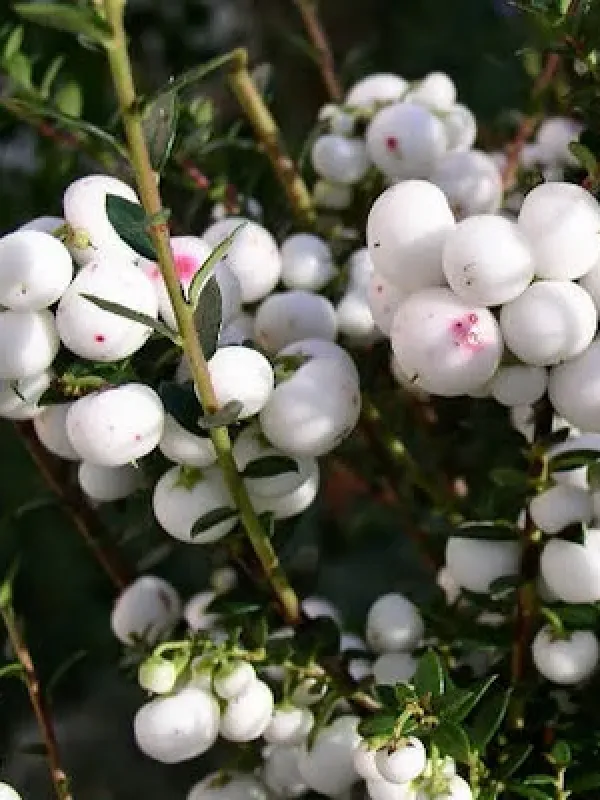
Gaultheria cuneata, commonly known as wedge-leaved gaultheria, is an evergreen shrub belonging to the Ericaceae family. Originating from the mountainous regions of Western China, it is highly valued for its compact growth habit and showy white berries.
The plant thrives in cool, temperate climates and requires specific environmental conditions to reach its potential. It is remarkably hardy, making it a suitable choice for cold-climate gardens, provided it is shielded from harsh, drying winds.
Regarding soil requirements, this species demands acidic, moisture-retentive, yet well-draining soil. It is strictly calcifuge, meaning it will suffer and eventually die if planted in soils containing lime or chalk.
Cultivation should take place in partially shaded locations. The natural habitat under coniferous canopy provides the perfect levels of dappled light and acidic leaf mold necessary for the roots to remain healthy and vibrant.
Regular maintenance involves keeping the soil consistently moist but never waterlogged. Applying a mulch of pine needles or peat moss is an essential agricultural practice to simulate the plant's natural forest-floor environment.
Main diseases and pests
Root rot is the primary threat to the health of Gaultheria cuneata, usually resulting from poor drainage or overwatering. Once the root system is compromised, the plant is difficult to recover.
Spider mites are common pests that target the foliage during hot, dry spells. Regular misting and maintaining appropriate ambient humidity are effective preventive measures against mite infestations.
Fungal leaf spot diseases can appear if the plants are situated in areas with stagnant air. Thinning out the branches periodically helps to improve airflow and significantly reduces the risk of infection.
Insects like scale may occasionally infest the stems, requiring manual removal or the application of horticultural oils. Monitoring during the active growth season is vital for early detection.
Adhering to proper planting distances and ensuring that the plant is not buried too deeply in the soil are fundamental steps in preventing many common plant ailments associated with this species.