
Gaultheria buxifolia
Gaultheria buxifolia
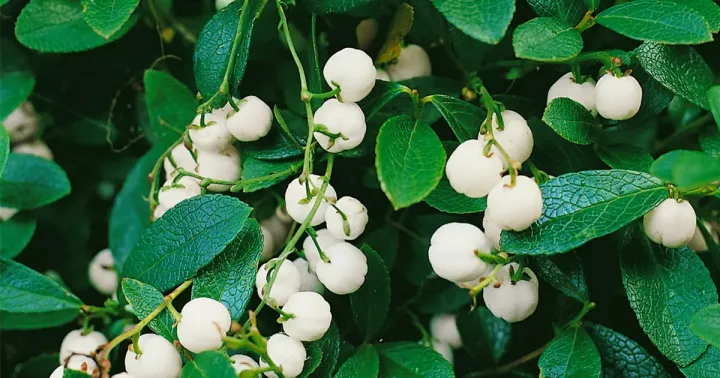
Description
Growing requirements
Gaultheria buxifolia is an evergreen shrub belonging to the Ericaceae family, widely known for its boxwood-like foliage. Native to the mountainous regions of South America, this plant is well-adapted to cooler climates and high humidity levels.
The success of growing this culture depends primarily on the soil conditions. It requires acidic, well-draining soil rich in organic matter. Gardeners often use a mix of peat, pine bark, and sand to create a medium that mimics the plant's natural habitat.
While Gaultheria can tolerate partial sun, it performs significantly better in shaded or semi-shaded areas. Direct exposure to intense afternoon sunlight often results in scorched leaves and may cause the plant to drop its evergreen foliage prematurely.
Climate control is essential for this species. It prefers cool temperatures and high atmospheric humidity. In warmer regions, regular misting and placement in a sheltered spot away from drying winds are mandatory for the shrub's overall health and vitality.
The plant is highly valued for ornamental use in landscaping. Its compact growth habit makes it an ideal choice for rock gardens, heather beds, or container planting, where its attractive, glossy green leaves provide year-round visual appeal.
Main diseases and pests
The most significant threat to Gaultheria buxifolia is root rot, typically caused by waterlogged soil. Once the roots begin to deteriorate due to excessive moisture, the plant often exhibits symptoms of wilting that are difficult to reverse without drastic intervention.
Alkaline soil is another major issue for this species. Because it is a calcifuge plant, any increase in soil pH will cause iron chlorosis, manifesting as yellowing leaves while veins remain green. Maintaining acidity is crucial for nutrient uptake.
Insect pests, including scale insects and spider mites, can damage the foliage if the air becomes too dry for extended periods. Monitoring the plant regularly for early signs of infestation is recommended to prevent significant damage to the shrub's structure.
Fungal leaf spots can occur if there is poor air circulation around the plant canopy. Ensuring proper spacing and keeping the foliage dry when watering can significantly reduce the risk of common fungal pathogens attacking the leaves.
Effective management involves preventive care, such as applying a thick layer of acidic mulch to stabilize moisture and temperature. If chemical intervention is required, it is essential to use products specifically tested for sensitivity in Ericaceous plants.