
Gaultheria cumingiana
Gaultheria cumingiana
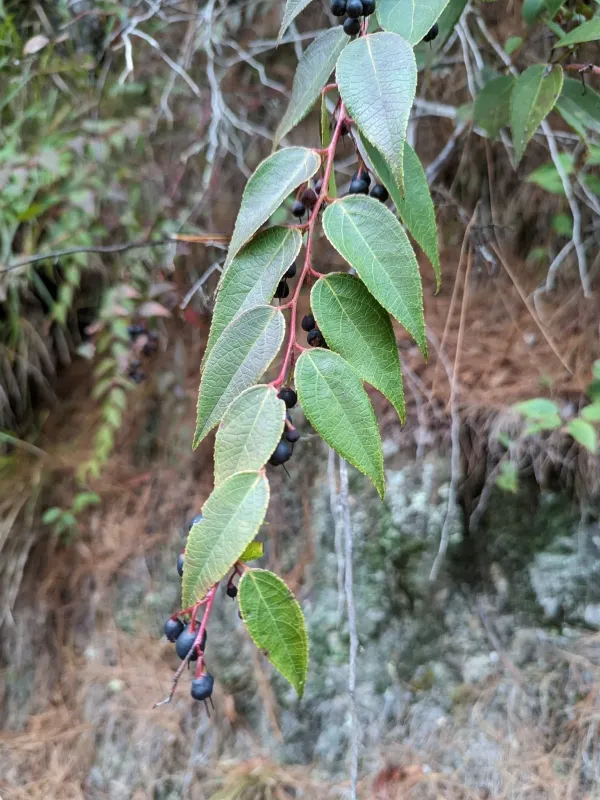
Description
Growing requirements
Gaultheria cumingiana is an evergreen shrub belonging to the Ericaceae family. Native to the mountainous regions of Southeast Asia, particularly the Philippines, it thrives in environments that provide consistent moisture and temperate conditions throughout the year.
The successful cultivation of this species depends heavily on the soil composition. It requires an acidic growing medium with a pH between 4.5 and 5.5. A mixture of peat, pine needles, and horticultural sand is recommended to create a well-draining yet moisture-retentive substrate.
This shrub prefers partial shade to dappled sunlight. Direct, harsh light can damage the foliage, leading to necrosis. Providing a stable environment with high atmospheric humidity is crucial for maintaining the plant’s health, especially when grown indoors or in greenhouse settings.
Temperature management is a priority, as Gaultheria cumingiana is not frost-tolerant. It should be kept in a climate-controlled area where temperatures remain moderate. Any drastic fluctuations can stress the plant and reduce its decorative value.
Routine care involves regular, light watering with soft or distilled water. Because the root system is fibrous and sits near the surface, the application of organic mulch is necessary to protect the roots from temperature extremes and to help maintain soil acidity over time.
Main diseases and pests
Root rot is the most significant threat to the health of Gaultheria cumingiana, typically caused by waterlogged soil and poor drainage. To mitigate this risk, it is essential to ensure that the potting medium remains loose and allows for excess water to drain away immediately.
Scale insects and spider mites are common pests that can infest the foliage, particularly in confined spaces with low air circulation. Integrated pest management, including the use of neem oil or targeted insecticides, is necessary to control populations and prevent severe damage.
Fungal infections such as leaf spot can occur if the humidity is too high and ventilation is inadequate. Spacing the plants correctly and removing any debris from the base of the shrub can significantly reduce the incidence of these pathogens.
Nutrient deficiency, particularly iron chlorosis, may occur if the soil pH rises above the acceptable range. This manifests as yellowing leaves while the veins remain green, requiring the use of chelated iron supplements or soil acidifiers.
To ensure long-term viability, regular monitoring of the plant's growth pattern is essential. Early detection of stunted development or discolored leaves allows for quick intervention before a minor issue develops into a major infestation or disease outbreak.