
Gaultheria trichophylla
Gaultheria trichophylla
Description
Growing requirements
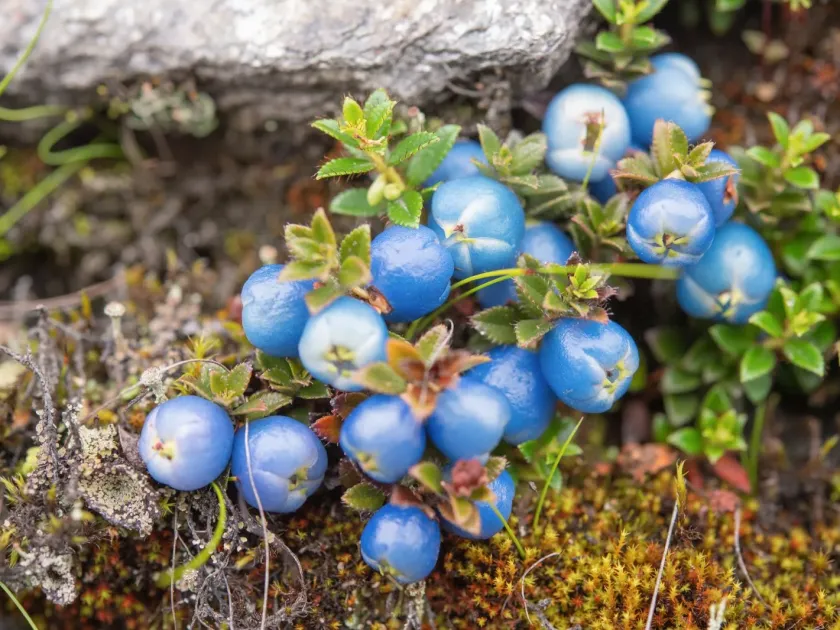
Gaultheria trichophylla is a diminutive, mat-forming evergreen shrub belonging to the Ericaceae family. Native to the alpine regions of the Himalayas, this species is highly valued in horticulture for its compact habit and vibrant, jewel-like blue fruits.
To successfully cultivate this plant, gardeners must provide an acidic, well-draining soil mix rich in organic matter. Sandy or peaty substrates mimic their natural mountain habitat and help maintain the delicate balance of root-zone moisture.
The plant thrives in cool, humid climates and prefers partial shade. Exposure to intense afternoon sun can scorch the foliage, necessitating a strategic location within the garden or the use of light protective screening during peak summer months.
Regular maintenance involves keeping the soil consistently moist but never waterlogged. Due to the plant's affinity for acidic conditions, irrigation should be performed with rainwater or softened water to prevent the accumulation of lime, which is detrimental to the species.
Mulching the base of the plant with pine needles or leaf mold is essential to regulate soil temperature and retain moisture. This practice also provides a natural supply of nutrients as the mulch decomposes, supporting vigorous growth.
Main diseases and pests
The primary threats to Gaultheria trichophylla involve fungal pathogens, such as Phytophthora root rot, which typically manifest in poorly drained soils or areas with poor air circulation.
Pests like spider mites and mealybugs can sporadically infest the plant, especially in drier environments, causing stunted growth and discolouration of the foliage if left unchecked.
Preventive measures include maintaining proper spacing between plants and avoiding overhead watering, which reduces the risk of leaf-spot diseases and fungal spores spreading across the foliage.
When chemical intervention is required, horticultural soaps or specific acaricides should be used with caution, ensuring that concentrations remain within the manufacturer's safe limits for ericaceous plants.
Continuous observation of the plant's health allows for the early detection of pests and pathogens, enabling prompt removal of affected areas and preserving the long-term vitality of the shrub.