
Chinese gaultheria
Gaultheria sinensis
Description
Growing requirements
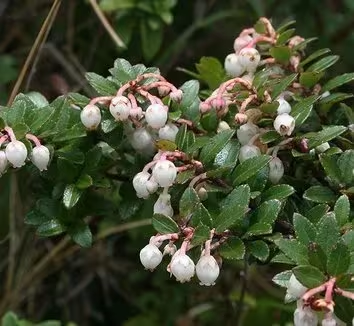
Chinese gaultheria (Gaultheria sinensis) is a compact evergreen shrub belonging to the Ericaceae family. Originating from the mountainous regions of China and the Himalayas, it is valued for its delicate foliage and suitability for cool, shaded garden environments.
The primary cultivation requirement is an acidic, well-draining soil rich in organic matter. Like most members of the heather family, it thrives in moist conditions but will not tolerate waterlogged ground, which can lead to rapid root decay.
This plant prefers a sheltered location with partial or dappled shade. Exposure to intense afternoon sunlight should be avoided to prevent leaf scorch, particularly in climates with hot summers where the humidity remains low for extended periods.
Maintenance involves keeping the soil consistently moist using soft water, as tap water with a high mineral content can alter soil pH and harm the plant. Frequent misting during dry spells is recommended to maintain the ambient humidity levels native to its habitat.
Mulching is essential for successful growth. Applying a thick layer of pine needles or peat moss around the base of the plant helps regulate soil temperature, suppress weeds, and slowly acidify the growing medium, providing an ideal root environment.
Main diseases and pests
Fungal diseases, specifically Phytophthora root rot, pose the greatest risk to Chinese gaultheria. These pathogens are most active in poorly drained soil, making soil preparation and structure the most critical aspects of preventative plant health management.
Spider mites are the most common pest affecting the foliage, particularly in indoor conditions or during prolonged heatwaves. These mites thrive in dry conditions and can cause the leaves to become mottled, brittle, and eventually drop off if not treated promptly.
Preventative measures include maintaining proper airflow and avoiding overcrowding in planting areas. If an infestation occurs, horticultural oils or specialized miticides should be applied to manage the population while ensuring the plant is kept hydrated.
Leaf spot diseases can also occur if the foliage remains wet for too long without adequate ventilation. Ensuring that the plant has enough space and is positioned where leaves can dry quickly after rainfall is a key strategy for maintaining plant hygiene.
Regular inspection of the plant's condition, especially during periods of high humidity or seasonal transitions, allows for early intervention. Removing dead or damaged branches helps to reduce the risk of secondary infections and promotes robust growth.