
Gaultheria semi-infera
Gaultheria semi-infera
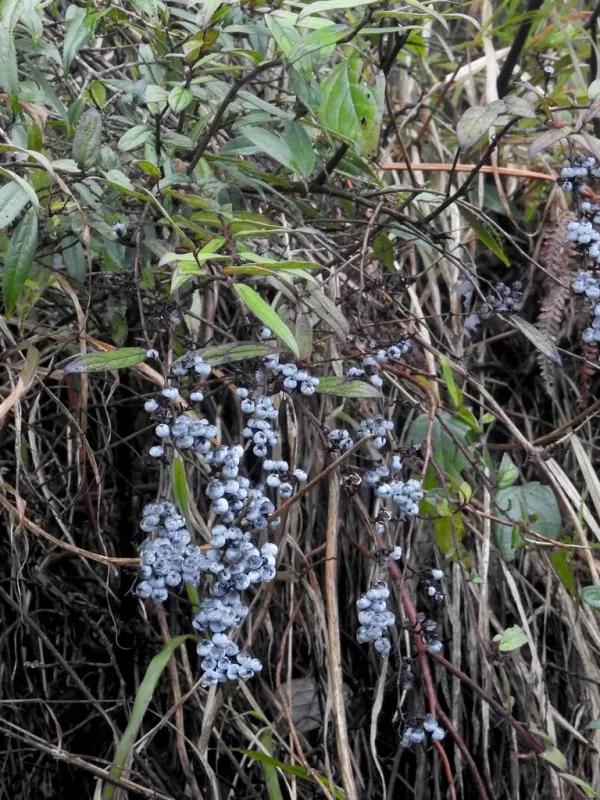
Description
Growing requirements
Gaultheria semi-infera is an evergreen shrub belonging to the Ericaceae family, widely recognized for its unique adaptation to high-altitude environments. It is a perennial plant that thrives in temperate, humid regions with specific ecological niches.
Native to the Himalayan ranges, this species requires a cool climate and protection from direct, harsh sunlight. Its botanical structure is characterized by compact foliage and resilient root systems designed to absorb nutrients from acidic, organic-rich forest soils.
The cultivation of this crop demands strict adherence to soil pH requirements, typically between 4.5 and 5.5. A mixture of peat moss and perlite or pine bark is essential to ensure adequate drainage while maintaining the necessary acidity levels.
Regarding irrigation, Gaultheria semi-infera requires a consistent moisture supply. However, waterlogging must be strictly avoided to prevent the development of root diseases, as the plant's delicate root hairs are highly susceptible to hypoxia.
The economic value of this plant lies in its dual-purpose role as a decorative landscape shrub and a source of wild berries. These fruits possess significant nutritional benefits, making them a subject of interest for both local harvesting and horticultural breeding.
Main diseases and pests
The primary threats to Gaultheria semi-infera are fungal pathogens such as Phytophthora root rot, often triggered by poor soil aeration and excessive moisture. These diseases can devastate plantations if not detected in the early stages.
Pests, particularly spider mites and leaf rollers, frequently target the foliage during warm periods. Their feeding habits cause chlorosis and stunt the plant's growth, significantly reducing the annual berry yield.
Cultural management is the most effective form of protection. Ensuring proper spacing between plants allows for adequate airflow, which is critical to preventing the rapid spread of fungal spores across the foliage.
Chemical control should be approached with caution due to the plant's sensitivity to certain pesticides. Integrated pest management strategies, focusing on biological controls and environmental optimization, are strongly recommended.
Lastly, nutritional deficiencies, particularly a lack of chelated iron, can lead to iron chlorosis. Maintaining the correct chemical balance in the soil through specialized fertilizers is crucial for the long-term health and resilience of the shrubs.